
Bird Treks - A Quality Birdwatching Tour Company

Birding Around the World 14 Years

Tours & Destinations -

Filter by region

Arizona Extension to the Grand Canyon

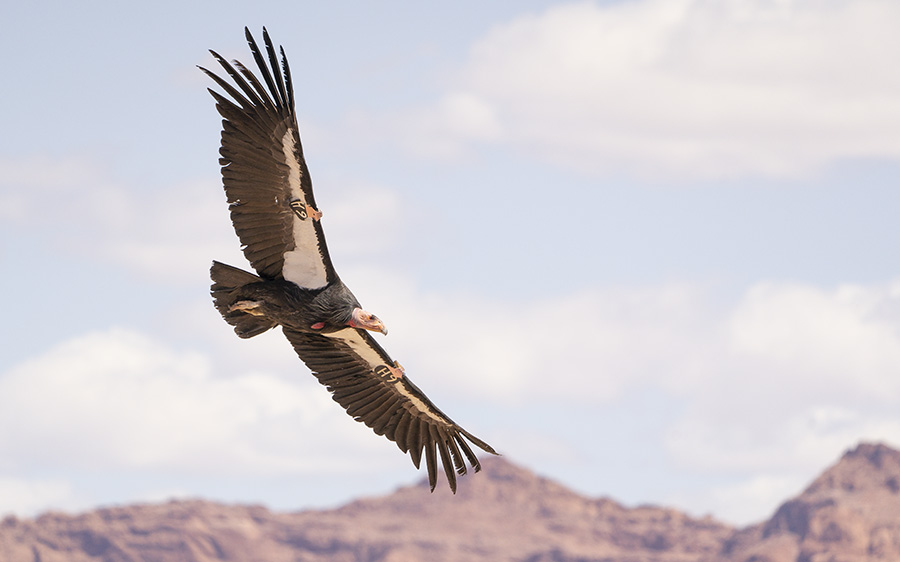
A Chance to See California Condors
30 July 2010 - 3 August 2010, 5 days & 4 nights

Several hours north of Tucson lies the Grand Canyon, one of the Seven Wonders of the Natural World. We will spend a full day at the Grand Canyon, viewing it from some of the overlooks that are off the beaten track. One year we saw FIVE California Condors at Lipan Overlook! In addition to Peregrine and Prairie Falcons, we will search for some of the more common local species such as Mountain Chickadee, Bridled Titmouse, Black-headed Grosbeak, Steller's Jay, Rock Wren, and Black-throated Gray Warbler. San Francisco Peaks may yield American Three-toed Woodpecker, Townsend's Solitaire, Lewis's Woodpecker, and Clark's Nutcracker. On our way south we'll look for American Dipper and Western Grebe in addition to Pronghorns, Prairie Dogs, and Elk. Dudleyville has Mississippi Kite and as a grand finale we'll look for Common Black-Hawk, Zone-tailed Hawk, and Harris's Hawk. The tour begins and ends in Tucson, so that you can easily combine it with the 12-day Southeast Arizona Tour for more than two weeks of incredible birding. Bob Schutsky is your scheduled tour leader.

Price: $1255.00 from Tucson, Arizona    

Itinerary Photos Previous Tours Birds Previously Seen Pay Balance Due


Costa Rica

A Spectacular Week at Rancho Naturalista Lodge
31 July 2010 - 8 August 2010, 9 days & 8 nights

Rancho Naturalista is considered to be one of the finest birding lodges in Central America. With comfortable well-kept rooms, peaceful forest surroundings, excellent meals, an extensive trail system, banana and hummingbird feeders for the birds, bird bathing pools, and an area bird list of more than 400 species, you can see why it is a favorite destination for birders from around the world! It is located at an elevation of 3000 feet on the Caribbean slope, allowing for mild temperatures in the day and perfect sleeping conditions at night. Its location also lends itself to birding day trips into the adjacent lowlands, middle elevations, and highlands, thus providing an even greater diversity of habitats and birds. We will have ample time to explore all of these areas from our comfortable base at Rancho Naturalista. Here is a sample of your first morning at the lodge: We begin with early morning birding from the famous balcony. Here we will enjoy our morning coffee or tea along with an amazing variety of birds at the feeders. Groups of Gray-headed Chachalacas, Groove-billed Anis, Collared Aracaris, Brown Jays, Passerini's, Palm, and Blue-gray Tanagers, Black-headed and Buff-throated Saltators, and impressive Montezuma Oropendolas will provide quite a show. Other likely possibilities include Blue-crowned Motmot, Lineated, Black-cheeked, and Hoffmann's Woodpeckers, Sulphur-bellied Flycatcher, Common Tody-Flycatcher, Mistletoe Tyrannulet, Yellow-bellied Elaenia, Golden-hooded and White-lined Tanagers, Black-striped and Orange-billed Sparrows, Scarlet-rumped Cacique, and Chestnut-headed Oropendola. Hummingbird feeders just a few feet away will be buzzing with Green Thorntail, the stunning White-necked Jacobin, Green-crowned Brilliant, Green-breasted Mango, Brown Violetear, and Rufous-tailed Hummingbird. Watch the vervain hedges for Stripe-throated Hermit, the unique Black-crested Coquette, and the dazzling little Snowcap! The surrounding trees may yield Keel-billed Toucan, Brown-hooded and White-crowned Parrots, and both Masked and Black-crowned Tityras. This is all BEFORE our 7 AM breakfast, when we'll leave the veranda and walk some trails to look for many new species. Steven Easley will expertly lead this tour.

Price: $2295.00 from San Jose, Costa Rica    

Itinerary Photos Previous Tours Birds Previously Seen Pay Balance Due


NORTHERN COSTA RICA

CLOUD FOREST, VOLCANOES & WETLANDS
8 August 2010 - 16 August 2010, 9 days & 8 nights

A fabulous birding journey through the most scenic and bird-rich areas of Northern Costa Rica.  We will begin in the highland forests surrounding Poas Volcano National Park and have views of the crater of this dormant volcano.  We will then continue to La Paz Waterfall Garden with its busy hummingbird and banana feeders.  Our next stop will be for two nights in the pristine cloud forest setting at the lovely Bosque de Paz Lodge.  Here we will be entertained by the hummingbird, fruit, and corn meal feeders, as well as mixed flocks of cloud forest species. From here we continue to the best Caribbean wetland in Costa Rica, Lake Caño Negro National Park, staying at the very comfortable Caño Negro Natural Lodge.  Birds are seemingly everywhere and the boat ride on Lake Caño Negro is one of the highlights of any tropical birding tour.  Caño Negro is also an excellent area for nocturnal birds, including many species of impressive owls and both Great and Common Potoos.  We will finish the tour with two nights in the most scenic area in all of Costa Rica, Arenal Volcano.  Our home base will be the exquisite Arenal Observatory Lodge located safely near this active volcano, offering amazing views of the volcano's fireworks at night.  The entire area is enveloped by beautiful Caribbean foothill rainforest.  While here we will enjoy the hummingbirds in the gardens, tanagers and oropendolas on the feeders, the many trails leading into the rainforest, and the Arenal Hanging Bridges, with its suspension bridges through the canopy.  Our final night will be near the airport at Orquideas Inn with its gardens and good food.  Whether it is an impressive bird list, comfortable lodging, or stunning scenery you are looking for, this tour has them all.  Ernesto Carman will be your leader.  Combine this tour with the Rancho Naturalista Tour that immediately precedes it, and save $200 on the total of the two tour fees.

Price: $1695.00 from San Jose, Costa Rica    

Itinerary Photos Previous Tours Birds Previously Seen Pay Balance Due


Washington's Pacific Northwest

Mount Rainier to the Pacific Ocean
10 August 2010 - 19 August 2010, 10 days & 9 nights

This exciting tour of the Puget Sound region includes an incredible diversity of birds, wildlife, habitats, experiences, and scenic wonders. We'll spend three nights at each of our three major locations. On Mount Rainier, the highest point in Washington, we will look for White-tailed Ptarmigan, Sooty Grouse, Clark's Nutcracker, and American Dipper. Lower habitats are good for MacGillivray's Warbler, Olive-sided Flycatcher, and Varied Thrush. On our day at sea with Westport Pelagics we should see literally thousands of pelagic birds including Black-footed Albatross, Fork-tailed Storm-Petrel, Rhinoceros Auklet, Long-tailed Jaeger, and Pink-footed Shearwater. One of our past tours produced a Red-legged Kittiwake, an incredible rarity anywhere outside of Alaska. Tokeland is a good spot to look for Bar-tailed Godwit, while Ocean Shores may yield Pacific Golden-Plover, Buff-breasted Sandpiper, and several species of loon. We'll look for Mountain Quail near Belfair State Park, then spend time at Hurricane Ridge for Townsend's Solitaire and a nice variety of raptors. Dungeness Spit is great for aquatic species: in past years we've found Yellow-billed Loon and Horned Puffin among scores of more common species. We are likely to find dozens of Harlequin Ducks at Ediz Hook, plus Black Oystercatchers, Marbled Murrelets and a Peregrine Falcon or two. The scheduled tour leader is Bob Schutsky. Please inquire about a discount if you combine this tour with the following excursion to Vancouver.

Price: $2795.00 from Seattle, Washington    

Itinerary Photos Previous Tours Birds Previously Seen Pay Balance Due


Vancouver Island British Columbia

Skylark & the San Juan Islands
19 August 2010 - 23 August 2010, 5 days & 4 nights

We have separated this part of the tour from mainland Washington to allow time to explore the San Juan Islands. Our first destination is Vancouver Island to search for the highly localized Sky Lark. Barbara Begg keeps a vigilant eye on these birds and she will assist us in our quest. We will spend time at Cattle Point, the Seawall, and other coastal locations looking for seabirds and shorebirds. Also likely are Anna's Hummingbird, California Quail, Chestnut-backed Chickadee, and Bushtit. During our ferry ride through the San Juan Islands we'll see pelagic species including Marbled Murrelet and Harbor Porpoise. We'll go ashore on some of the islands to explore their varied birdlife and spend time watching for Orcas (Killer Whales) at one of the best locations in all of Puget Sound. We'll search for Mountain Quail near Belfair State Park before ending our tour in Seattle. The scheduled leader is Bob Schutsky. Please inquire about a discount if you combine this tour with the preceding tour to Washington.

Price: $1595.00 from Seattle, Washington    

Itinerary Photos Previous Tours Birds Previously Seen Pay Balance Due


Cape Hatteras & the North Carolina Outer Banks

With a Gulf Stream Pelagic Trip & Southbound Migrants
26 August 2010 - 31 August 2010, 6 days & 5 nights

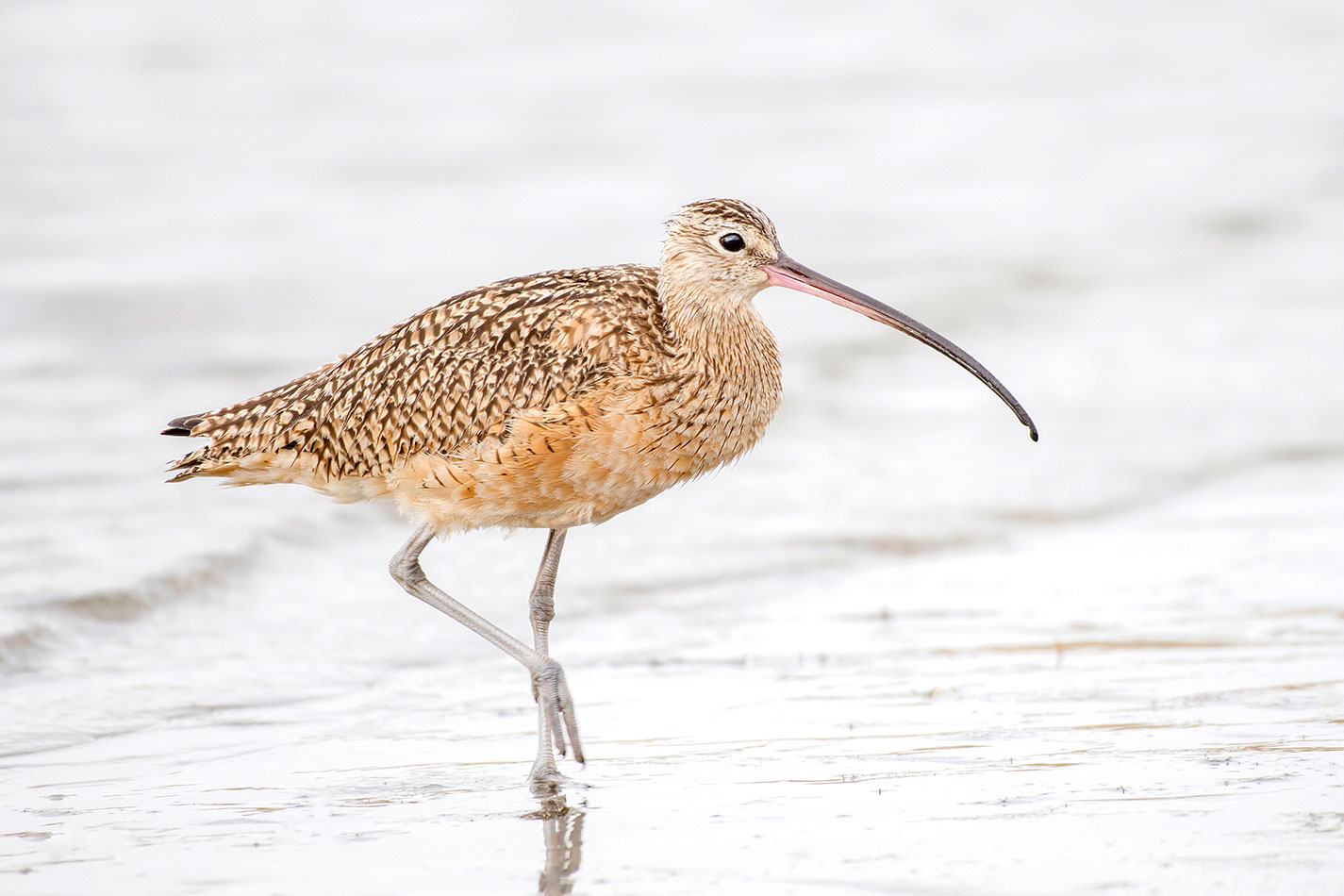
Early autumn on the Outer Banks: the weather is mild and the diversity of birds is phenomenal. A full day pelagic trip to the Gulf Stream is likely to produce Black-capped Petrel, Wilson's Storm-Petrel, Sooty and Bridled Terns, several species of shearwaters and jaegers, and often a rarity or two. Woodlands, thickets, marshes, mudflats, and sandy beaches retain many resident species and hold migrants for extended periods. Areas that we will visit include Pea Island NWR, Oregon Inlet, Coquina Beach, Hatteras Point, and Bodie Island. We'll take the ferry across Hatteras Inlet and spend a day on Ocracoke Island. Some of the more unusual species that we may encounter include American Bittern, White Ibis, Merlin, King Rail, Piping Plover, American Avocet, and Marbled Godwit. One year we found a Roseate Spoonbill at Pea Island; another year there was a Long-billed Curlew. Among the many songbirds may be Brown-headed Nuthatch, Eastern Towhee, a variety of warblers and perhaps a Lark Sparrow or Dickcissel. Bob Schutsky will be your leader.

Price: $1725.00 from Norfolk, Virginia    

Itinerary Photos Previous Tours Birds Previously Seen Pay Balance Due


Adak Island, Alaska

for Asian Strays
12 September 2010 - 19 September 2010, 6 days & 5 nights

Located in the Aleutian Islands 1200 miles southwest of Anchorage and only 400 miles east of Attu is Adak, a 280-square mile island. It is the westernmost outpost in the Aleutians and in the entire ABA area that is accessible by commercial flights.  Until very recently, Adak was the site of a naval base and access was restricted.  Now the Navy has left the island, opening it to birders and leaving behind an infrastructure and modern facilities not found at other western Alaska birding hotspots. We'll stay in two-bedroom, two-and-a-half bath apartments (one double or twin bed per room) with cable TV, telephone, a kitchen with a microwave, and a washer and dryer. We'll travel in vans for some of the most comfortable birding that you can experience in the Aleutians. A great bird that we may see is Whiskered Auklet, a species that you cannot see at Gambell or St. Paul.  We will make every attempt to arrange a boat trip to look for Whiskered Auklet and additional pelagic species.  Birding coverage of Adak has been sparse through the years due to the former restricted access, so its birding potential is still largely unknown. But based on recent reports from other islands in the Bering Sea region and our own trips to Adak, we know that Adak gets its share of Asian vagrants.  Our scouting trip in September 2004 had some great birds: Arctic and Yellow-billed Loons, Eurasian Wigeon, Tufted Duck, six Gyrfalcons, Pacific Golden-Plover, Lesser Sand-Plover, Common Snipe, the THIRD North American record of Marsh Sandpiper, Temminck's Stint, Sharp-tailed Sandpiper, the east Asian race of Common Tern (a potential split), Common Cuckoo, several sightings of Fork-tailed Swift including a flock of at least 23 individuals, Gray Wagtail, 2 probable Olive-backed Pipits, and Gray-streaked Flycatcher. Some of the regular species that we expect to see include Red-faced Cormorant, "Eurasian" Green-winged Teal, Common Eider, Harlequin Duck, Rock Ptarmigan, Black Oystercatcher, Rock Sandpiper, Parasitic Jaeger, Glaucous-winged Gull, Common Murre, Pigeon Guillemot, Marbled and Ancient Murrelets, Parakeet Auklet, Horned and Tufted Puffins, Lapland Longspur, Snow Bunting, and the Aleutian races of Winter Wren, Song Sparrow, and Gray-crowned Rosy-Finch. John Puschock will lead these tours.

Price: $3575.00 from Adak, Alaska    

Itinerary Photos Previous Tours Birds Previously Seen Pay Balance Due


Grand Manan, New Brunswick

At the Mouth of the Bay of Fundy
14 September 2010 - 19 September 2010, 6 days & 5 nights

Grand Manan lies at the mouth of the Bay of Fundy, a 90-minute ferry ride from mainland New Brunswick. It is a migrant and vagrant trap, similar to Monhegan Island that is described below. However, Grand Manan is much larger than Monhegan, so instead of walking we will drive to various locations around the island for our daily outings. We'll search for warblers, sparrows, wrens, and thrushes, a fine selection of eastern North American migrants. Among these we'll watch for the occasional western, southern, or even Eurasian vagrants, like the Ruff and Dickcissel we found in 2003. On at least one day we'll go by boat into the rich offshore waters. Here we are likely to find seabirds and cetaceans, possibly in very large numbers. Atlantic Puffin, Razorbill, and Manx, Greater, and Sooty Shearwaters can all be expected, and many additional species including Wilson's Storm-Petrel, Northern Fulmar, and Great Skua are possible. As many as seven species of cetaceans inhabit these waters in autumn, including the extremely rare Northern Right Whale. You can take just this tour or register for both and continue on to Monhegan Island, described below. Bob Schutsky will be your tour leader. Go on both the Grand Manan and Monhegan Tours, and the room and meals on the day between the two tours are FREE!

Price: $1695.00 from Bangor, Maine    

Itinerary Photos Previous Tours Birds Previously Seen Pay Balance Due


Complete California

Mountains, Ocean & Desert
14 September 2010 - 27 September 2010, 14 days & 13 nights

California conjures up visions of sun-baked landscapes, scenic mountain vistas, the blue Pacific, and expansive deserts. The birds are no less spectacular, with everything from Black-footed Albatross to Lawrence's Goldfinch. We'll start in the San Francisco Bay area and journey to Bodega Bay for a day of shorebirds and migrants. Some of the specialties of this rich area include Surfbird, Black Turnstone, Wandering Tattler, and Black Oystercatcher. Our passerine searches will yield views of Townsend's Warbler, California Towhee, Wrentit, and Cassin's Vireo. Our first pelagic destination is the Cordell Bank where we will search for Black-footed Albatross, Buller's and Pink-footed Shearwaters, Cassin's Auklet, Long-tailed, Pomarine, and Parasitic Jaegers, South Polar Skua, Sabine's Gull, and Arctic Tern. Blue and Humpback Whales are a distinct possibility. Next are the Sierras to look for Swainson's Hawk, Acorn Woodpecker, and Yellow-billed Magpie. Sooty Grouse, Mountain Quail, Great Gray Owl, Black-backed and White-headed Woodpeckers, Williamson's and Red-breasted Sapsuckers, Pine Grosbeak, and Hermit Warbler are just a few of the species that we will seek in Yosemite National Park. Mono Lake may yield Greater Sage-Grouse, Sage Thrasher, Sage Sparrow, Gray Flycatcher, American Dipper, Pinyon Jay, Lewis's Woodpecker, and Mountain Bluebird. We will look for Greater Roadrunner, Lawrence's Goldfinch, and California Thrasher in the arid lands near Monterey. Our next adventure will be the SECOND pelagic trip of the tour, a trip into world-famous Monterey Bay that is bisected by a huge submarine canyon twice the size of the Grand Canyon. We will cruise the bay and the adjacent offshore waters in search of shearwaters and Ashy and Black Storm-Petrels. We will hope for a rarity such as Xantus's Murrelet, Tufted Puffin, or Fork-tailed Storm-Petrel, then cruise the coastline for Marbled Murrelet. Our continued journey south will put us in California Condor country and we will spend time looking for this spectacular species brought back from the brink of extinction. Our targets near Los Angeles will be California Gnatcatcher, Allen's Hummingbird, and Black-vented Shearwater. We'll take a boat trip to Santa Cruz Island for the endemic Island Scrub-Jay and the Santa Cruz Island races of Bewick's Wren, Allen's Hummingbird, and Rufous-crowned Sparrow. Xantus's Murrelet and Black-vented Shearwater are possible on the boat trip to the island. Turning our sights inland, we'll search the deserts for Le Conte's Thrasher. The tour begins in San Francisco and concludes in Los Angeles, or if you care to continue to the Salton Sea, there is a discount for going on both tours. John Puschock is the scheduled leader.

Price: $4195.00 from San Jose, California    

Itinerary Photos Previous Tours Birds Previously Seen Pay Balance Due


Adak Island, Alaska

for Asian Strays
19 September 2010 - 26 September 2010, 8 days & 7 nights

Located in the Aleutian Islands 1200 miles southwest of Anchorage and only 400 miles east of Attu is Adak, a 280-square mile island. It is the westernmost outpost in the Aleutians and in the entire ABA area that is accessible by commercial flights.  Until very recently, Adak was the site of a naval base and access was restricted.  Now the Navy has left the island, opening it to birders and leaving behind an infrastructure and modern facilities not found at other western Alaska birding hotspots. We'll stay in two-bedroom, two-and-a-half bath apartments (one double or twin bed per room) with cable TV, telephone, a kitchen with a microwave, and a washer and dryer. We'll travel in vans for some of the most comfortable birding that you can experience in the Aleutians. A great bird that we may see is Whiskered Auklet, a species that you cannot see at Gambell or St. Paul.  We will make every attempt to arrange a boat trip to look for Whiskered Auklet and additional pelagic species.  Birding coverage of Adak has been sparse through the years due to the former restricted access, so its birding potential is still largely unknown. But based on recent reports from other islands in the Bering Sea region and our own trips to Adak, we know that Adak gets its share of Asian vagrants.  Our scouting trip in September 2004 had some great birds: Arctic and Yellow-billed Loons, Eurasian Wigeon, Tufted Duck, six Gyrfalcons, Pacific Golden-Plover, Lesser Sand-Plover, Common Snipe, the THIRD North American record of Marsh Sandpiper, Temminck's Stint, Sharp-tailed Sandpiper, the east Asian race of Common Tern (a potential split), Common Cuckoo, several sightings of Fork-tailed Swift including a flock of at least 23 individuals, Gray Wagtail, 2 probable Olive-backed Pipits, and Gray-streaked Flycatcher. Some of the regular species that we expect to see include Red-faced Cormorant, "Eurasian" Green-winged Teal, Common Eider, Harlequin Duck, Rock Ptarmigan, Black Oystercatcher, Rock Sandpiper, Parasitic Jaeger, Glaucous-winged Gull, Common Murre, Pigeon Guillemot, Marbled and Ancient Murrelets, Parakeet Auklet, Horned and Tufted Puffins, Lapland Longspur, Snow Bunting, and the Aleutian races of Winter Wren, Song Sparrow, and Gray-crowned Rosy-Finch. John Puschock will lead these tours.

Price: $3575.00 from Adak, Alaska    

Itinerary Photos Previous Tours Birds Previously Seen Pay Balance Due


Monhegan Island!

Maine's Most Enchanting Offshore Location
20 September 2010 - 24 September 2010, 5 days & 4 nights

Monhegan is a small, picturesque island of 1.5 square-miles that lies ten miles off the coast of central Maine. It is a prime stopover for southbound migrants and vagrants blown offshore, especially with the passage of a high-pressure system and the ensuing northwest winds. It can be expected to produce an excellent sampling of eastern North American migrants, with a fair chance for a few western and southern vagrants. On past tours we've found Magnificent Frigatebird (!), Red-headed Woodpecker, Western Kingbird, Say's Phoebe, Prothonotary Warbler, Clay-colored and Lark Sparrows, and White-winged Crossbill. We'll watch for warblers and thrushes, finches and sparrows, and falcons and accipiters as we walk the island's 17 miles of trails and check favored locations such as the Ice Pond, Lobster Cove, and Burnt Head. Seabirds including jaegers, shearwaters, and Northern Gannet are possible as we scan from the rocky headlands and during our one-hour boat ride from the mainland. All four nights are in the same lodge on Monhegan. Bob Schutsky will be your tour leader. Go on both the Grand Manan and Monhegan Tours and the room and meals on the day between the two tours are FREE!

Price: $1595.00 from Portland, Maine    

Itinerary Photos Previous Tours Birds Previously Seen Pay Balance Due


Adak Island, Alaska

for Asian Strays
26 September 2010 - 3 October 2010, 8 days & 7 nights

Located in the Aleutian Islands 1200 miles southwest of Anchorage and only 400 miles east of Attu is Adak, a 280-square mile island. It is the westernmost outpost in the Aleutians and in the entire ABA area that is accessible by commercial flights.  Until very recently, Adak was the site of a naval base and access was restricted.  Now the Navy has left the island, opening it to birders and leaving behind an infrastructure and modern facilities not found at other western Alaska birding hotspots. We'll stay in two-bedroom, two-and-a-half bath apartments (one double or twin bed per room) with cable TV, telephone, a kitchen with a microwave, and a washer and dryer. We'll travel in vans for some of the most comfortable birding that you can experience in the Aleutians. A great bird that we may see is Whiskered Auklet, a species that you cannot see at Gambell or St. Paul.  We will make every attempt to arrange a boat trip to look for Whiskered Auklet and additional pelagic species.  Birding coverage of Adak has been sparse through the years due to the former restricted access, so its birding potential is still largely unknown. But based on recent reports from other islands in the Bering Sea region and our own trips to Adak, we know that Adak gets its share of Asian vagrants.  Our scouting trip in September 2004 had some great birds: Arctic and Yellow-billed Loons, Eurasian Wigeon, Tufted Duck, six Gyrfalcons, Pacific Golden-Plover, Lesser Sand-Plover, Common Snipe, the THIRD North American record of Marsh Sandpiper, Temminck's Stint, Sharp-tailed Sandpiper, the east Asian race of Common Tern (a potential split), Common Cuckoo, several sightings of Fork-tailed Swift including a flock of at least 23 individuals, Gray Wagtail, 2 probable Olive-backed Pipits, and Gray-streaked Flycatcher. Some of the regular species that we expect to see include Red-faced Cormorant, "Eurasian" Green-winged Teal, Common Eider, Harlequin Duck, Rock Ptarmigan, Black Oystercatcher, Rock Sandpiper, Parasitic Jaeger, Glaucous-winged Gull, Common Murre, Pigeon Guillemot, Marbled and Ancient Murrelets, Parakeet Auklet, Horned and Tufted Puffins, Lapland Longspur, Snow Bunting, and the Aleutian races of Winter Wren, Song Sparrow, and Gray-crowned Rosy-Finch. John Puschock will lead these tours.

Price: $3575.00 from Adak, Alaska    

Itinerary Photos Previous Tours Birds Previously Seen Pay Balance Due


Southern California Short Tour

San Diego & the Salton Sea
27 September 2010 - 1 October 2010, 5 days & 4 nights

After searching the San Diego area for some coastal specialties, we'll head inland to the Salton Sea to look for Yellow-footed Gull, along with Wilson's Phalaropes, thousands of Red-necked Phalaropes, and a myriad of other migrating shorebirds. Black-chinned Hummingbird and Abert's Towhee frequent the brush around the southern edge of the sea and we will make early morning efforts to see these species. Blue-footed Booby was found there in late summer of 2006 and 2007. The scheduled leader is John Puschock. There is a discount if you combine the extension with the preceding California Tour.

Price: $1595.00 from Los Angeles, California    

Itinerary Photos Previous Tours Birds Previously Seen Pay Balance Due


Oregon & Northern California

Klamath Basin & Coastal Hotspots
30 September 2010 - 9 October 2010, 10 days & 9 nights

Our Oregon adventure begins on the coast at Tillamook Bay, one of the prime birding areas in the entire Pacific Northwest. Tillamook and nearby Bayocean Spit will yield an incredible variety of seabirds, shorebirds, waterfowl and related species. A full day pelagic trip with Greg Gillson and Tradewinds Charters will take us into the Pacific in search of tubenoses: Black-footed Albatross, Pink-footed Shearwater, Fork-tailed Storm-Petrel, and many others. This trip has produced some incredible rarities including the Short-tailed and Laysan Albatrosses that we found on a previous tour. After another day of coastal birding, we move inland to Crater Lake, the Klamath Basin, Tule Lake (California), and a total change of pace. Now we'll be looking at dozens of Bald Eagles, thousands upon thousands of ducks and geese, and large flocks of Sandhill Cranes. There will be Ferruginous Hawks and Short-eared Owls. Great Gray Owl is resident here and we will make every effort to find one, as we have in the past. A few of the more intriguing songbirds we will seek include Gray-crowned Rosy-Finch, Golden-crowned Sparrow, Wrentit, Townsend's Solitaire, Tricolored Blackbird, and American Dipper. Woodpeckers include American Three-toed, Black-backed, Lewis's, and White-headed. Our last stop is Sauvie Island near Portland. This is an excellent songbirding area and a great spot for scoping more waterfowl, raptors, and Sandhill Cranes. John Puschock will be the leader. And, please consider a few more days to . . .

Price: $2595.00 from Portland, Oregon    

Itinerary Photos Previous Tours Birds Previously Seen Pay Balance Due


Fort Stevens & Clatsop Spit

At the Mouth of the Columbia River, Extension to the Oregon Tour
9 October 2010 - 12 October 2010, 4 days & 3 nights

Clatsop Spit and the extreme northwestern portion of Oregon are at the mouth of the Columbia River. Birding areas include Coffenbury Lake for migrant songbirds, Wrentit, and the locally rare Northwestern Crow. The South Jetty of the Columbia River has produced some of the most remarkable records in the state, including Yellow-billed Loon, Lesser Sand-Plover, Spotted Redshank, Long-toed Stint, and McKay's Bunting. This is THE best spot in Oregon to look for Sharp-tailed Sandpiper and Ruff. Isolated brushy areas create a haven for migrant songbirds. Rarities have included Ash-throated Flycatcher, Mountain Bluebird, Rose-breasted Grosbeak, and a number of Eastern warblers. We will also make short jaunts along the coast to look for new pelagic species and seek out any reported rarities. The extension will begin immediately following the regular tour and end mid-day on 12 October. We will stay all three nights at the same motel in Astoria. John Puschock will be your leader.

Price: $1095.00 from Portland, Oregon    

Itinerary Photos Previous Tours Birds Previously Seen Pay Balance Due


Chincoteague NWR & the Delmarva Peninsula

Fantastic Atlantic Coast Birding
22 October 2010 - 25 October 2010, 4 days & 3 nights

This will be a short tour of memorable birding at a beautiful location. The tour will include three days at Chincoteague NWR, plus visits to Prime Hook, Ocean City, and Bombay Hook. There will be migrant warblers, shorebirds, waterfowl, and local specialties such as Brown-headed Nuthatch and American Oystercatcher. Rarities that we have found at this time of year include American White Pelican, Eurasian Wigeon, Lark Sparrow, and Dickcissel. The Chincoteague Ponies are always a big favorite, as are the massive flocks of Snow Geese that almost always contain one or two Ross's Geese. This will be a great weekend at a comfortable pace. Evening dining will offer seafood fare for which Chincoteague's restaurants are famous. Bob Schutsky is the scheduled leader.

Price: $1095.00 from Philadelphia, Pennsylvania    

Itinerary Photos Previous Tours Birds Previously Seen Pay Balance Due


Classic Kenya!

Birds, Big Game Animals & the Beauty of Africa
31 October 2010 - 15 November 2010, 16 days & 15 nights

This amazing tour is a great combination of Kenyan birds and mammals while exploring a variety of unique habitats.  You will visit three National Parks and Reserves where big game are plentiful: Nairobi NP, Lake Nakuru NP, and the Samburu Game Reserve.  Expect many of the big game animals for which Africa is famous, including Black Rhino, White Rhino, Elephant, three subspecies of Giraffe, Beisa Oryx, Buffalo, White-bearded Gnu, two species of Zebra, Lion, Leopard, and Cheetah, although the last two can be tricky at times.  Most of these are likely to be seen along with a host of antelope types from the huge Eland to the diminutive Kirk's Dikdik.  You will also visit three of the famed Rift Valley Lakes: Lake Naivasha and Lake Baringo which are both freshwater, and Lake Nakuru, which is soda water and where the spectacle of the flamingoes takes place.  The tour also incorporates the Kakamega Rainforest, a completely different habitat to the rest of the tour, this being the eastern extension of the Congo Rainforest.  Colorful birds abound such as hornbills, bee-eaters, wattle-eyes, and sunbirds along with the more subdued skulkers.  Our lodge in the forest in Kakamega could not be a more perfect setting.  The tour will also visit the Gatamayu Highland Forest, the shores of Lake Victoria for its papyrus specialties, the Baringo Cliffs, Kerio Valley, Thomson's Falls, the highland plains at the base of Mount Kenya, and finally the tall highland forests on the slopes of Mount Kenya, complete with a mineral lick waterhole for big game.  And what can we say about the birds we see on this tour . .  . approximately 600 species in the 13 full days in Kenya, simply amazing!  You will find our bird and mammal lists posted on our website from previous  Classic Kenya tours that we have conducted.  The principal leader is Steven Easley.  Steven has birded Kenya extensively and knows how to give you an excellent tour of his favorite country.

 _______________________________________________________________________________

Bob - We had another superb trip with Kevin and Stephen.  Incredible looks at everything, a good group, good lodgings, it was really fun. Thanks, Bill
                                                                                                                                                Bill H, 2007 Kenya Tour Participant

 _______________________________________________________________________________

 Hi Bob,
Kenya was quite an adventure!  I loved every second of it.  I may go back there one day.  Although I haven't tallied up the bird species, I'm certain I saw over 500 lifers.  The mammals were awesome, too.  Kevin and Steven were superb guides and lots of fun.
                                                                           Lou Anne Barriger from Indiana, another satisfied Kenya Tour Participant

_______________________________________________________________________________


Price: $4595.00 from Nairobi, Kenya    

Itinerary Photos Previous Tours Birds Previously Seen Pay Balance Due


LAND OF THE POLAR BEAR

Migration of the Largest Land Carnivore
4 November 2010 - 11 November 2010, 8 days and 7 nights


This trip always sells out - - Call Now!

This northern expedition starts in Winnipeg, Manitoba where travelers enjoy a tour of the city and visit its many museums, including the well known Museum of Man and Nature.  The flight to Churchill, on Hudson Bay, will take travelers to the land of the Polar Bear, Ursus maritimus. Participants travel on the tundra in specially equipped tundra vehicles, providing them with the best possible views of the bears in their spectacular habitat.  Helicopter tours, searches for northern lights, a visit to the Eskimo Museum, and sled dog tours are some of the optional activities planned.  Tour leader Pat Rousseau has worked as a park warden for the Canadian National Park Service for over 30 years and is a wealth of knowledge!

Fee: $4,495. Includes airfare from Winnipeg to Churchill.

Price: $4495.00 from Winnipeg    

Itinerary Photos Previous Tours Birds Previously Seen Pay Balance Due


Montauk Point

& the South Shore of Long Island, NY
4 November 2010 - 8 November 2010, 5 days & 4 nights

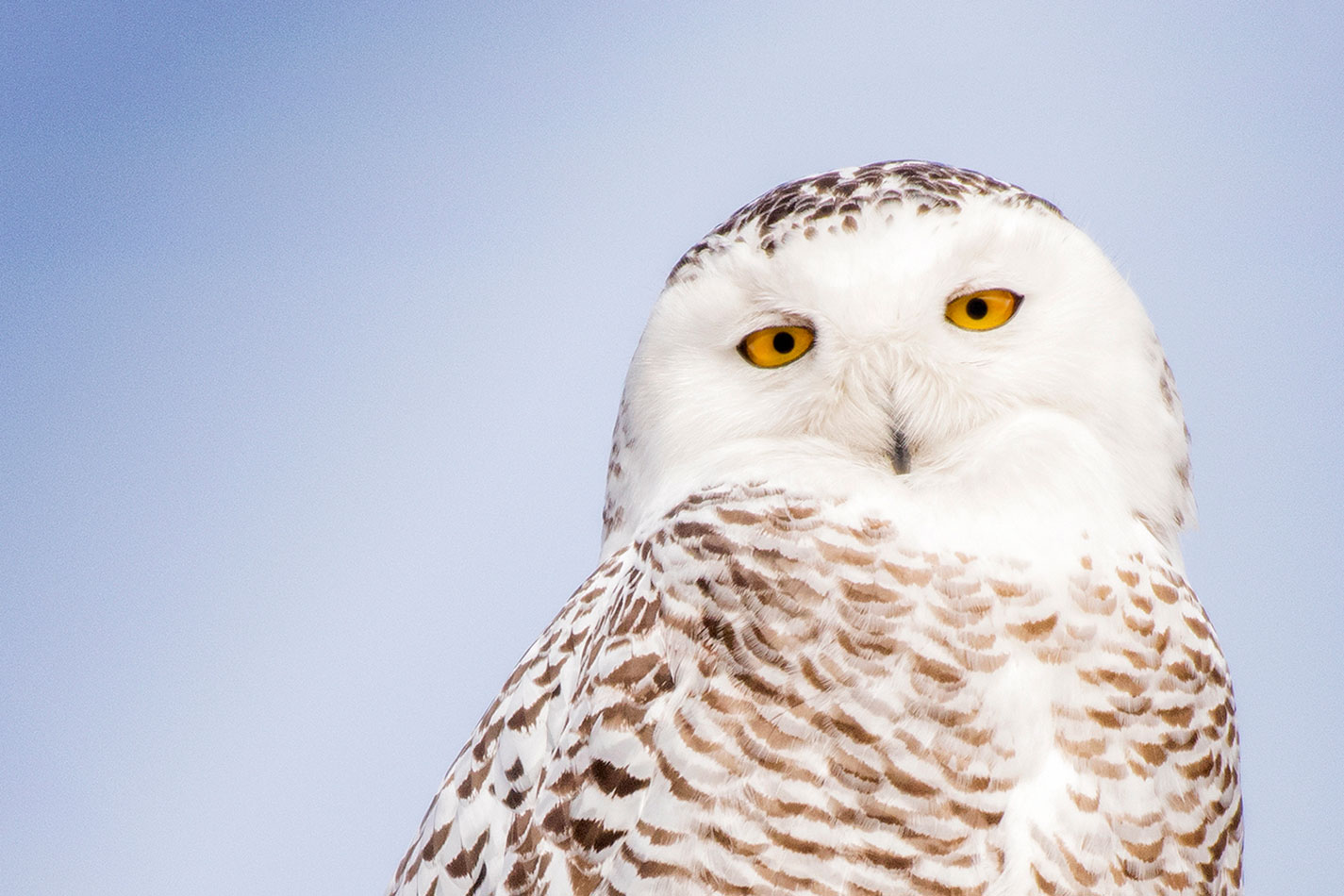
Lots of birding at Montauk Point will produce eiders, all three scoters, gannets, loons, and grebes, plus give us excellent opportunities for alcids, kittiwakes, jaegers, phalaropes, and shearwaters. On a past tour we had FOUR Parasitic Jaegers in less than an hour. There are usually some unusual gulls in the area, and vagrant sparrows, warblers, and flycatchers often occur. On our way to and from Montauk we will visit many additional locations such as Jamaica Bay, Shinnecock Inlet, Point Lookout, Jones Beach, and Sagaponnick Pond. Here we may add Eurasian Wigeon, Northern Saw-whet Owl, Harlequin Duck, Tufted Duck, American Bittern, Snowy Owl, and Northern Shrike. Rarities from past tours have included Northern Lapwing, Sandhill Crane, Varied Thrush, Lark Sparrow, and Tufted Duck. We stay in Montauk, with great dinners at the Shagwong and O'Murphy's Pub. Bob Schutsky is the scheduled leader.

Price: $1395.00 from Newark, New Jersey    

Itinerary Photos Previous Tours Birds Previously Seen Pay Balance Due


New Mexico & Bosque del Apache NWR

Great Bird Watching in the American Southwest!
13 November 2010 - 21 November 2010, 9 days & 8 nights

Bosque del Apache is without a doubt the most popular birding location in all of New Mexico, and for good reason. It is the winter home of thousands of Sandhill Cranes, plus thousands of waterfowl, a fine variety of raptors, and many additional species. The name is Spanish for 'Woods of the Apache' and refers to the once extensive stands of cottonwoods along the Rio Grande that were used as refuge by native Americans. Many of the cottonwoods remain, and the birds are still found in abundance. Just a few of the species that we are likely to see include Crissal Thrasher, Pyrrhuloxia, Yellow-headed Blackbird, Loggerhead Shrike, and Gambel's Quail. Large flocks of sparrows may contain Harris's, Vesper, Lark, Brewer's, Cassin's, Black-throated, and others. It is a great location for Neotropic Cormorant, Virginia Rail, Sora, Marsh Wren, and Western and Clark's Grebes. Other areas that we will visit are Water Canyon, the Sandia Mountains (all three ROSY-FINCHES!), and Elephant Butte Reservoir, an excellent spot for aquatic species. The Rio Grande Nature Center in Albuquerque is reliable for Western Screech-Owl and many additional species. Lots of birds without the crowds, plus beautiful scenery: those are the attractions of birding in New Mexico. John Puschock is the scheduled leader.

Price: $2195.00 from Albuquerque, New Mexico    

Itinerary Photos Previous Tours Birds Previously Seen Pay Balance Due


Birdwatching in Guyana

Land of the Endless Forest
19 November 2010 - 28 November 2010, 10 days & 9 nights

Recently I was invited to Guyana on a familiarization trip. I spent ten days there and loved every minute of it. This small country on the northeastern hump of South America was formerly known as British Guyana. To this day it remains an English-speaking country. During my visit, we began on the coast at the Georgetown Botanic Garden, moved inland (south) to the Iwokrama Forest,the Iwokrama Canopy Walkway, Mori Scrub, Atta Rainforest Lodge, and spectacular Kaieteur Falls.We will take you to these locations and several additional ones, into many of the prime areas of this mostly forested country. Flying above the forest gives the impression of being above a carpet of green. The rare break in the forest is usually a river, flowing toward the coast. If you have ever wanted to see a Jaguar, the Iwokrama Forest is rapidly gaining an international reputation for its healthy Jaguar populations that seem not to be troubled by the appearance of curious humans. No promises, but many have been lucky! We came upon the scene of a fresh kill, expertly interpreted by one of our drivers. The prey was a Giant Armadillo. The Botanic Garden is home to a multitude of birds, among them the rare and elusive Blood-colored Woodpecker and Festive Parrot. Pinnated Bittern and Rufous Crab Hawk are always a good find, as are Guianan Cock-of-the-rock, Musician Wren, and Screaming Piha. Harpy Eagle is possible near Turtle Mountain, as are Guianan Toucanet, Ringed Antpipit, Spectacled Owl, Long-tailed Potoo, Zigzag Heron, and Blackish Nightjar. And just a few more specialties include Guianan Red-Cotinga, Pompadour Cotinga, Rufous-winged Ground-cuckoo, Marail Guan, Painted Parakeets, Yellow-throated Woodpecker, White-plumed Antbird, Ferruginous-backed Antbird, and Ash-winged Antwren. This tour allows an ornithological reconnaissance of the country, visiting the coastal plain, the sandbelt forest, the seemingly limitless forests of the interior and the Rupununi Savannah along the Brazilian border. It includes travel on a number of small water courses and two great rivers, the Demerara and the Essequibo, as well as a visit to Kaieteur Falls, surely among the world's most imposing scenic wonders. Bob Schutsky will co-lead the tour with a local, well-trained birding guide from Guyana. And, to continue your adventure . . .

Price: $4455.00 from Georgetown, Guyana    

Itinerary Photos Previous Tours Birds Previously Seen Pay Balance Due


Guyana Extension to Surama

Search for the Very Rare and Endangered Harpy Eagle
27 November 2010 - 1 December 2010, 4 days & 3 nights

We’ll journey by vehicle to the Amerindian community at Surama.  Surama is situated in a small savannah, deep in the rainforest and surrounded by forested hills.  It was here that Charles Waterton passed through in 1812 in search of the secrets of the useful Wourali poison known as Curare.  Waterton was so stunned by this spot that he wrote in his memoirs “The finest park that England boasts falls short of this delightful scene”. Birds characteristic of the Rupununi savannah, such as Fork-tailed Flycatchers and Grassland Sparrow, can be seen well, whilst it hopefully won’t be too long before our attention is drawn to the far-carrying growling song of the bizarre Capuchin bird.  All three nights will be in the Surama Eco-lodge.  We will explore the nearby rainforest and during our stay will visit a nearby Harpy Eagle nest, assuming that it remains active.  The nest itself is located in a huge emergent tree only a couple of miles from the village.  If we are extremely fortunate, we may see one of the adult birds bringing a sloth or monkey to the nest to feed their chick.  Another of the special birds which can be found around Surama is the Rufous-winged Ground-cuckoo. Although the Harpy Eagle and Rufous-winged Ground-cuckoo may be the two star attractions at Surama, there are plenty of other species to look for during our stay.  After a final morning of birding, we transfer to Rock View Lodge at Annai.  After lunch we will take a flight to Georgetown to begin our journey home.

Price: $1395.00 from Georgetown, Guyana    

Itinerary Photos Previous Tours Birds Previously Seen Pay Balance Due


Southern Argentina

The Pampas, Patagonia & Tierra del Fuego
3 December 2010 - 20 December 2010, 18 days & 17 nights

Tierra del Fuego lies at about 55 degrees south latitude, as far south of the equator as Churchill, Manitoba is to the north. December is early summer in Argentina, with many hours of sunlight each day. The tour begins in Buenos Aires with a visit to Costanera Sur Reserve for a taste of the Pampas: Black-necked Swan, Yellow-billed Cardinal, Great Pampa-Finch, and several species of coot. On a chairlift ride above Le Martial Glacier we'll search for specialties including White-bellied Seedsnipe. Both Gentoo and Magellanic Penguins will be a big hit during our catamaran ride on the Beagle Channel, along with Black-browed Albatross and Southern Fulmar. Tierra del Fuego National Park is good for Austral Pygmy-Owl and the striking Magellanic Woodpecker, while Los Glacieres National Park offers our best chance for Andean Condor. On the Patagonian High Plateau we will search for two very rare species: the newly discovered Hooded Grebe and the elusive Austral Rail. Additional areas that we will visit include the Valdes Peninsula, Punta Tambo with its 700,000 Magellanic Penguins, and a mixture of grasslands and woodlands known as the Ceibas. The grand finale is three days on the Pampas, with rheas, canasteros, and spinetails. We'll return to Buenos Aires for your flight home. The tour leader is Luis Segura assisted by additional Birding-Argentina professional guides.

Price: $5695.00 from Buenos Aires, Argentina    

Itinerary Photos Previous Tours Birds Previously Seen Pay Balance Due


Southern California Specialties

California Gnatcatcher & Le Conte's Thrasher
4 December 2010 - 12 December 2010, 9 days & 8 nights

From the coast to the mountains and desert, the habitats of southern California are home to most of the West Coast's specialties.  We'll begin in San Diego in search of species such as Heerman's Gull, Wandering Tattler, and Black Turnstone.  Then, moving inland to the foothills and mountains, our targets will be species with California in their name: California Quail, California Gnatcatcher, California Thrasher, and California Towhee.  We'll also be on the lookout for Nuttall's Woodpecker, Wrentit, Oak Titmouse,   Bell's  Sage Sparrow, Lawrence's Goldfinch, and Tricolored Blackbird.  Continuing on to the desert and the Salton Sea, other birds that we'll be searching for include the elusive Le Conte's Thrasher, Ruddy Ground-Dove, Burrowing Owl, Costa's Hummingbird, Abert's Towhee, and hopefully, Yellow-footed Gull. This tour will be led by John Puschock.

Price: $2695.00 from San Diego, California    

Itinerary Photos Previous Tours Birds Previously Seen Pay Balance Due


Chincoteague NWR & the Delmarva Peninsula

The Atlantic Coast of DE, MD & VA at its Finest
26 December 2010 - 31 December 2010, 6 days & 5 nights

The Delmarva Peninsula provides excellent birding in early winter. We will visit Virginia Beach, Fort Story, Kiptopeke State Park, Ocean City, and spend a full day at Chincoteague NWR, where we will see Wild Ponies and many great birds. Scoping along the coast is likely to produce a nice variety of seabirds, shorebirds, Purple Sandpiper, and perhaps a vagrant or two. Good numbers of waterfowl are expected, including Harlequin Duck, Common Eider, Long-tailed Duck, and Canvasback. Unusual gulls found on previous tours include Glaucous, Little, Black-headed, and a Black-legged Kittiwake--perched ten feet away! We should also see American Woodcock, Brown Pelican, Bald Eagle, Marbled Godwit, Great Cormorant, and Brown-headed Nuthatch. There may be a hummingbird or two, such as Rufous, Calliope, or other western vagrant. John Puschock is the scheduled tour leader.

Price: $1495.00 from Philadelphia, Pennsylvania    

Itinerary Photos Previous Tours Birds Previously Seen Pay Balance Due


Michoacan & Lake Patzcuaro, Mexico

Holiday Tour South of the Border
27 December 2010 - 3 January 2011, 8 days & 7 nights

Marilyn Mayo will be our hostess as we settle into the village of Patzcuaro in the highlands of Mexico. We will bird local trails, explore a Monarch Butterfly sanctuary where MILLIONS of butterflies winter, and look for Northern Jacana, American Bittern, Black-polled Yellowthroat, and other aquatic species during a 3-hour boat ride on the waterways surrounding Lake Patzcuaro. Cerro Burro is likely to produce Cinnamon-bellied Flowerpiercer, Gray-barred Wren, Crescent-chested Warbler, and possibly Mountain Pygmy-Owl and Mountain Trogon, as it has on recent tours. We'll experience a local fiesta, explore ancient ruins, and enjoy Berylline Hummingbirds and Blue Mockingbirds in our backyard. The climate is cool, dry, and very comfortable. Among the 150+ species that we are likely to see, we will search for a number of Mexican endemics including Happy Wren, Russet Nightingale-Thrush, and Red Warbler. We will have the added guidance and knowledge of Marilyn Mayo, a local resident, historical expert, and gracious hostess. Bob Schutsky and Marilyn Mayo are your tour leaders.

Price: $2395.00 from Morelia, Mexico    

Itinerary Photos Previous Tours Birds Previously Seen Pay Balance Due


AMAZON CRUISE

A Very Popular Cruise.
30 December 2010 - 31 December 2010, 8 Days & 7 Nights

Two Departures Each Month.  Call for exact dates.
[A one night stay in Manaus is required before the cruise.]
This trip explores some of the most untouched rainforest in all of the Amazon.  On your eight cabin expedition vessel, you will venture far up some of the least inhabited rivers in the Amazon Basin.  Travelers explore areas very rarely visited, and seek out the mysterious life of the wilderness that stirs in the forest and in the heart of the Amazon Basin.  This is the most thorough, detailed, and sophisticated trip offered in the entire Amazon and comes with rave reviews from past participants.  The guides are accomplished naturalists and you will see creatures almost never seen by other visitors.  This trip is like being on a time machine in that one is able to visit places that have not changed for millions of years.  Truly the trip of a lifetime and an easy tour for seniors and families!
Fee: $2,400. Call for dates.  Extensions available.  Great trip!

Price: $2400.00 from Manaus    

Itinerary Photos Previous Tours Birds Previously Seen Pay Balance Due


Oaxaca, Mexico

A Myriad of Mexican Endemics
5 January 2011 - 15 January 2011, 11 days & 10 nights

The state of Oaxaca, Mexico is wonderfully diverse in flora and fauna, history, culture, cuisine, and scenery.  Our tour is designed to provide optimum exposure to this richness at a comfortable pace while enjoying unique and superb lodging experiences, great natural history and birds, and fascinating cultural experiences.  While in the city of Oaxaca we'll stay at the charming Hotel Azucenas, a wonderful place with a nice intimate atmosphere, located in a quiet neighborhood. From there we'll visit the arid scrub habitat around Teotitlan del Valle, a Zapotec town well known for its fine weaving.  On past trips we've seen as many as 90 species of birds in the day we spend in this area. Some of the specialties include White-throated Towhee, Boucard's Wren, Ocellated Thrasher, Oaxaca and Bridled Sparrows, Dusky Hummingbird, Gray-breasted Woodpecker, Golden Vireo, and White-striped Woodcreeper. To the north, in the Sierra Juarez, we'll enjoy rich cloud forest and have good opportunities to find the endemic Dwarf Jay, plus Gray-barred Wren, Golden-browed and Red Warblers, Spot-crowned Woodcreeper, Collared Towhee, Chestnut-capped and Rufous-capped Brush-Finches, and Gray-breasted Wood-Wren. We'll trade the color of Oaxaca City for the color of the Sierra Miahuatlan, where we'll stay in a hotel on a mountain ridge surrounded by pine forest and flowering plants with hummingbirds, Cinnamon-bellied Flowerpiercer, and Hooded Yellowthroat.  Fruiting pyracantha bushes may provide close views of White-throated Robin, Brown-backed Solitaire, Gray Silky-Flycatcher, and Russet Nightingale-Thrush.  In the nearby forests and on our descent to the Pacific coast, we'll look for Common Bush-Tanager, Red-headed Tanager, Blue-capped and Bumblebee Hummingbirds, Mountain Trogon, and Golden Vireo, plus some striking butterflies amidst the rich tropical vegetation.  Here we'll also visit a shade grown coffee plantation where we've found dozens of Fan-tailed Warblers, Double-toothed Kite, Barred Woodcreeper, Emerald Toucanet, and outstanding butterflies.  We'll stay at the lovely and unique Rancho Cerro Largo on the Pacific coast, where White-throated Magpie-Jay, Banded Wren, Russet-crowned Motmot, Lesser Ground-Cuckoo, Orange-breasted Bunting, Red-breasted Chat, and Citreoline Trogon can be found on the lodge grounds. Out over the Pacific, we'll see Red-billed Tropicbirds and Brown Boobies soaring with Magnificent Frigatebirds.  In the nearby forest we should find Colima Pygmy-Owl, Happy Wren, Blue Bunting, Yellow-winged Cacique, Golden-cheeked Woodpecker, and many other avian wonders.  We go to the Laguna Manialtepec, a mangrove-lined lagoon where we should see Bare-throated Tiger-Heron, Boat-billed Heron, Mangrove Vireo, Mangrove Swallow, Collared Plover, and possibly Ruddy-breasted Seedeater and Mangrove Cuckoo. Our journey combines exciting birding, rich natural history, outstanding food, the warm hospitality of the people of Oaxaca, and memorable cultural experiences.

Price: $2750.00 from Oaxaca City, Mexico    

Itinerary Photos Previous Tours Birds Previously Seen Pay Balance Due


Winter Birds of South Texas

Whooping Cranes & the Rio Grande Valley
11 January 2011 - 20 January 2011, 10 days & 9 nights

A boat ride on Aransas Bay will play a key roll in this tour. It is our ticket to the magnificent, rare and  endangered Whooping Crane, whose population is growing annually. We'll see a wealth of additional aquatic species such as Eared Grebe, Neotropic Cormorant, Roseate Spoonbill, and perhaps an American Bittern. Our visit to the King Ranch should provide good looks at White-tailed Hawk, Harris's Hawk, Burrowing Owl, Sprague's Pipit, Olive Sparrow, and a host of other scrub-thorn species. Santa Ana is reliable for Ringed and Green Kingfishers, while Bentsen State Park and Anzalduas County Park are known for their Mexican rarities and wintering songbirds, such as Clay-colored Thrush, Northern Beardless-Tyrannulet, and Tropical Parula. One year we found a Roadside Hawk at Bentsen, the fourth ABA record! Another tour produced Green-breasted Mango and Blue Bunting. We'll travel as far upriver as San Ygnacio in search of Audubon's and Altamira Orioles, Hook-billed Kite, and White-collared Seedeater. Bob Schutsky is the scheduled leader.

Price: $2395.00 from Corpus Christi, Texas    

Itinerary Photos Previous Tours Birds Previously Seen Pay Balance Due


Honduras

Mountains, Coast & MANY Motmots
27 January 2011 - 4 February 2011, 11 days & 10 nights

HONDURAS is a land of stunning beauty and stark contrasts. It is a place where in some aspects time has stood still, where mountains meet the sea, where ancient civilizations once thrived, and where one can still be immersed in large expanses of untrammeled wilderness. Some species that are easier to see here than elsewhere in their range include the Keel-billed and Blue-throated Motmots, Lovely Cotinga, Fulvous Owl, White-breasted Hawk, Guatemalan Screech-Owl, Great Swallow-tailed Swift, Speckled Mourner, and White-vented Euphonia, to name a few. The first part of the tour goes along north central Honduras, where you will first visit the historical Lancetilla Botanical Gardens. We will bird part of the entrance road and a section of reserve behind the gardens. After Lancetilla we travel to Olanchito, gateway to the Aguan Valley's arid thorn scrub forest and home to the endemic Honduran Emerald. Being there you will almost think that you are in Arizona's desert environment. After Olanchito we will be indulged by our three-night stay at the luxurious Lodge at Pico Bonito. It is nestled at the base of 250,000-acre Pico Bonito National Park, which has contiguous forest cover from sea level to over 8000 feet. During the rainy season, Resplendent Quetzal, White-winged Tanager, Common Bush-Tanager, Green-breasted Mountain-Gem, and other cloud forest denizens regularly migrate down slope and can at times be found here. We will hike the lodge trails through lowland rain forest in search of keynote species such as the prized Keel-billed Motmot. The observation tower by the river regularly produces the breath taking Lovely Cotinga that often sits atop the emergent trees. During our stay we will also visit the 30,000-acre Cuero y Salado Wildlife Refuge, a coastal mangrove estuary. We must take a short train ride to reach the reserve. Then we take a two-hour boat ride in search of mammals, reptiles, and birds. The final part of the main tour is in the scenic Lake Yojoa area. This is the country's largest natural lake that covers some 50 square miles and actually sits in a volcanic depression. It is also one of the wettest places in Honduras due to the position of the mountains around it. The towering Santa Barbara National Park covers some 30,000 acres and sits to the west, with 40,000-acre Cerro Azul Meambar National Park to the east. The various forested habitats combined with the wetlands make this one of the most avian rich areas in the country and contains well over 460 species. We will stay three nights in the cabins of Agua Azul along the north shore. Robert Gallardo and Bob Schutsky will be your tour guides.

Price: $2955.00 from San Pedro Sula, Honduras    

Itinerary Photos Previous Tours Birds Previously Seen Pay Balance Due


Northern & Western India

Fantastic Birds & Ancient Culture
2 February 2011 - 20 February 2011, 19 days & 18 nights

Please consider joining Bird Treks on its second tour to India. You will visit many areas in the northern and western portions of the country, including New Delhi, Bharatpur, the Taj Mahal, the Red Fort of Agra, Keoladeo National Park, Ranthambore, Ranthambore/Jaipur, the Ganges River, Kumeria Reserve Forest, and Corbett Tiger Reserve. Here is a description of what your birding guide feels will be the grandest day of all: Excursion to Corbett Tiger Reserve by open jeep especially to look for Tigers, Wild Elephants, and other wildlife and birds. This will be the greatest day of the trip. A great abundance of birds can be recorded for the day. Some that we will look for include Black Francolin, Stork-billed and Crested Kingfishers, Green Magpie, Tawny Fish Owl, Collared Falconet, Pied Harrier, White-rumped Needletail, Scarlet, Longtail, and Small Minivets, Black-headed and Maroon Orioles, Large Cuckoo-Shrike, Long-billed and Black-throated Thrushes, Jungle Prinia, Bright-headed and Zitting Cisticolas, Crested Bunting, Rose-breasted Parakeet, Ashy and Black-crested Bulbuls, and many more. Two weeks like this will be truly incredible! Bird Treks Tour to India will be led by Om Prakash Mudgal. Here is what OP (his nickname) says about himself: I am from a farmer's family, 53 years old, based in Bharatpur, and have about 20 years of birding experience in India, especially in the northwest. I worked as a nature guide in Keola Deo National Park, Bharatpur from 1987 to 1999. Now I am leading and organizing birding trips to India since 2000.

Price: $3895.00 from New Delhi, India    

Itinerary Photos Previous Tours Birds Previously Seen Pay Balance Due


Honduran Extension to Copan

Maya Ruins & Spectacular Birding
4 February 2011 - 7 February 2011, 4 days & 3 nights

The extension to Copan Ruinas is a must for those wishing to see one of the most well known of all Maya archaeological sites. Its well-preserved carved glyphs found on stelae, walls, stairways, and other structures tell the history of Copan and have been interpreted by top scholars from around the world. A guided tour of the site will be given. The birding in Copan is also good and the area harbors more than 400 species. Copan has a wide variety of forested habitats and sits close to the continental divide, so it shares both Pacific and Caribbean slope elements. We will stay three nights at the newly built La Chorcha Lodge, located on the grounds of the Enchanted Wings Nature Center, built and operated by your in-country guide, Robert Gallardo. We will bird two different sites and hope to encounter some interior specialties. Bob Schutsky will assist Robert in guiding the tour.

Price: $845.00 from San Pedro Sula, Honduras    

Itinerary Photos Previous Tours Birds Previously Seen Pay Balance Due


San Blas, Mexico

One Location, Great Birding & Many Endemics
10 February 2011 - 18 February 2011, 9 days & 8 nights

The West Coast of Mexico is home to many of this amazing country's endemic species and San Blas is the ideal location from which to search for these birds. This quaint fishing village offers easy access to the ocean, lagoons, beaches, mangroves, and arid scrub, plus pine-oak woodland at higher elevation. In the arid thornforest that surrounds the coastal areas we should find endemics such as Rufous-bellied Chachalaca, Elegant Quail, Mexican Parrotlet, Citreoline Trogon, San Blas and Purplish-backed Jays, and Happy and Sinaloa Wrens. Rufous-crowned Motmot and Golden Vireo will be in evidence here and farther up the hillsides, where a past tour yielded excellent looks at Colima Pygmy-Owl and the elusive Rosy Thrush-Tanager. Our only full-day trip away from San Blas will be to the higher elevation pine-oak forests of Cerro de San Juan. Mixed species flocks here include White-striped Woodcreeper, Crescent-chested and Fan-tailed Warblers, Red-headed Tanager, while Spotted Wren and Rusty-crowned Ground-Sparrow inhabit the understory and Brown-backed Solitaire gives its eerie song from the forest canopy. During two river trips we'll search for mangrove specialties including Boat-billed Heron, Rufous-necked Wood-Rail, Mangrove Cuckoo, and many wading birds and shorebirds on the mudflats and lagoons. An ocean boat ride will give us excellent looks at Blue-footed and Brown Boobies, plus a chance for Red-billed Tropicbird and several pelagic species. Add to all this an incredible beach for swimming, and endemics such as Golden-cheeked Woodpecker, the majestic Black-throated Magpie-Jay, Sinaloa Crow, and Yellow-winged Cacique right in town, and you can see why San Blas is truly a birder's delight.

Price: $2995.00 from Puerto Vallarta, Mexico    

Itinerary Photos Previous Tours Birds Previously Seen Pay Balance Due


Central India Extension

Kanha National Park & Bandhav Garh National Park
19 February 2011 - 26 February 2011, 8 days & 7 nights

Continue your adventure in India with another full week in the central portion of the country.  You will see new birds and mammals, plus new habitats and beautiful locations.  We promise you a great time with OP, your experienced Indian guide and tour leader.

Price: $1795.00 from New Delhi, India    

Itinerary Photos Previous Tours Birds Previously Seen Pay Balance Due


Winter Birds of South Texas

The Fantastic Rio Grande Valley
21 February 2011 - 2 March 2011, 10 days & 9 nights

We'll see a wealth of aquatic species along the extreme southern Gulf Coast. These may include Snowy and Piping Plovers, Roseate Spoonbill, and perhaps a Northern Gannet and Sandwich Tern. Our visit to one a few select south Texas ranches may yield a Ferruginous Pygmy-Owl, along with fine looks at White-tailed Hawk, Harris's Hawk, Burrowing Owl, Sprague's Pipit, Olive Sparrow, and a host of other scrub-thorn species. Santa Ana is reliable for Ringed and Green Kingfishers, while Bentsen State Park and Anzalduas County Park are known for their Mexican rarities and wintering songbirds, such as Clay-colored Thrush, Northern Beardless-Tyrannulet, and Tropical Parula. One year we found a Roadside Hawk at Bentsen, the fourth ABA record! Another tour produced Green-breasted Mango and Blue Bunting. Last year we found a Crimson-collared Grosbeak. We'll travel as far upriver as San Ygnacio in search of Audubon's and Altamira Orioles, Hook-billed Kite, and White-collared Seedeater. This tour focuses on the Lower Rio Grande Valley, from the Gulf Coast to San Ignacio. Bob Schutsky is the scheduled leader.

Price: $2395.00 from Harlingen, Texas    

Itinerary Photos Previous Tours Birds Previously Seen Pay Balance Due


Thailand

Asian Birding Adventure
1 March 2011 - 18 March 2011, 18 days & 17 nights

On this Asian birding adventure you'll visit Khao Yai National Park, only two hours from Bangkok. This beautiful park is home to Gibbons, Tigers, Elephants, and Gaur. Among the abundant birdlife here are several of the elusive Pittas. This is one of the best spots for Coral-billed Ground-Cuckoo and the beautiful Siamese Fireback. In northwest Thailand we'll visit Doi Chiangdao, Doi Angkhang, and Thailand's highest peak, Doi Inthanon. These beautiful mountains near the Myanmar border are home to most of Thailand's specialty birds including the endangered Black-tailed Crake and Giant Nuthatch. Incredible Kaeng Krachan National Park is the wildest, most rugged park in the country. Most of Southeast Asia's large mammals can be found here and birdlife includes several of the spectacular Broadbills and an isolated population of the rare Ratchet-tailed Treepie. Kamol and Patcharee Komolphalin, well-known Thai experts, as your leaders.

Price: $4195.00 from Bangkok, Thailand    

Itinerary Photos Previous Tours Birds Previously Seen Pay Balance Due


El Triunfo, Chiapas, Mexico

Birding & Natural History in Mexico’s Great Wilderness
9 March 2011 - 18 March 2011, 10 days & 9 nights

Harboring about ten percent of Earth's biodiversity, Mexico is one of the most biologically rich countries in the world. During this birding and natural history adventure, we'll explore and learn about much of that richness as we travel through what is one of the last great wilderness areas in Mexico, the El Triunfo Biosphere Reserve. Though somewhat rigorous, the tour to El Triunfo stands as one of the greatest natural history adventures that I've personally ever experienced. The week that we'll spend hiking in and enjoying the cloud forests of southern Mexico will be highlighted by some of the best birding in the world, as well as by the warm hospitality of our Mexican hosts. Our trip begins in Tuxtla Gutierrez, where we'll spend a morning enjoying the tropical deciduous forest and great scenery of Sumidero Canyon. Here we'll look for dry forest specialists such as White-throated Magpie-Jay, Nutting's Flycatcher, White-lored Gnatcatcher, Streak-backed Oriole, Banded Wren, and the rare Belted Flycatcher. From Tuxtla we'll head south to the small town of Jaltenango, our take-off point for El Triunfo. We'll spend six unforgettable days birding, hiking, and enjoying the El Triunfo Biosphere Reserve. Amidst the towering, epiphyte-laden trees, we'll have chances to see Resplendent Quetzal, Emerald Toucanet, Black-throated and Unicolored Jays, Mountain and Black Robins, Green-throated Mountain-Gem, Yellow-throated and Chestnut-capped Brush-Finches, Spotted and Ruddy-capped Nightingale-Thrushes, Blue-throated Motmot, Highland Guan, Fulvous Owl, and the rare prize of the area, the Horned Guan. From the high elevation ridges, we'll descend for three days through pristine forests, stopping to camp at lovely spots where we'll likely find White-eared Ground-Sparrow, Long-tailed Manakin, Cabanis' Tanager, Rufous Sabrewing, Rufous-and-white Wren, White-winged Tanager, perhaps the rare Prevost's Ground-Sparrow, and many others. We'll conclude our adventure in Tapachula at a comfortable hotel with grounds that are home to Giant Wren, White-bellied Chachalaca, Orange-chinned Parakeet, and Pacific Screech-Owl. While this trip is highly exhilarating in terms of the natural wonders we'll experience, it is physically challenging with hikes of 4-8 miles and tent camping for 3-6 nights. The tour will be led by Mark Pretti. Group size is limited to 8 participants.

Price: $2600.00 to $2800.00

Price: $2800.00 from Tuxtla Gutierrez, Mexico    

Itinerary Photos Previous Tours Birds Previously Seen Pay Balance Due


COSTA RICA

GREAT BIRDING, INCREDIBLE BOAT RIDES, QUETZALS & ARENAL VOLCANO
10 March 2011 - 22 March 2011, 13 days & 12 nights

After a night near the airport in San Jose, our first destination is Rancho Naturalista Lodge in the Caribbean rainforest, famous for its beauty, diversity of birds and wildlife, and the hummingbird ponds that you have to see to believe. Rancho has an incredible birding veranda and we will make good use of it. We'll visit the Rio Tuis Valley for a change of habitats and birds and possibly a Sunbittern. Savegre Mountain Lodge is located at 7200 feet in the Costa Rican highlands. It is one of the finest spots in the country to see Resplendent Quetzal, plus Dusky Nightjar, Ochraceous Pewee, Streaked-breasted Treehunter, and Golden-browed Chlorophonia. The hummingbird feeders are alive with Green Violetear, Gray-tailed Mountain-gem, Volcano Hummingbird, and Scintillant Hummingbird, Costa Rica's smallest bird. Hikes along the river are likely to produce American Dipper, Tufted Flycatcher, and Torrent Tyrannulet. It will be a wonderful stay in the cool mountain air. Our next lodge is Villa Lapas on the Pacific Coast, near the entrance to Carara National Park. Past rarities have included the spectacular Yellow-billed Cotinga, Spotted Rail, and flocks of Scarlet Macaws. Our mangrove boat ride and cruise up the Rio Carara will be an afternoon to remember. Arenal Volcano, the most active volcano in Central America, is likely to put on a very nice show at our next location, the town of La Fortuna. We have found the rare and elusive Bare-necked Umbrellabird twice on nearby trails, along with flocks of tanagers and warblers and the occasional Great Currasow. Our boat ride on the Rio Frio will be excellent, with Bare-throated Tiger-Heron, Boat-billed Heron, Sungrebe, and usually a Great Potoo. This is a perfect ending to a wonderful tour that will be led by Bob Schutsky.

Price: $4395.00 from San Jose, Costa Rica    

Itinerary Photos Previous Tours Birds Previously Seen Pay Balance Due


Dauphin Island, Alabama & Mississippi Gulf Coast

First & Finest Migration Stop
3 April 2011 - 9 April 2011, 7 days & 6 nights

We'll spend each night in the same beach house on Dauphin Island. The house will have shared accommodations, giving us a friendly family atmosphere. Home cooked breakfasts will help get us off to a good start each day. This area of the Gulf Coast is where migrants get their first view of land after crossing the Gulf of Mexico. The Gulf Coast is a great staging area for the travel weary migrants. Dauphin Island is famous for the Shell Mound and Goat Tree migrant traps. Birding daily in and around these locations will almost certainly provide an entirely different list of birds. Nearby areas including Bon Secour, Sandhill Crane Refuge, and the National Seashore will provide a diverse group of shorebirds, rails, and waders. Some of the aquatic birds that will show us a little Southern hospitality include Magnificent Frigatebird, Least Bittern, Black, Sandwich, and Gull-billed Terns, Hudsonian Godwit, and hopefully either a Black or Yellow Rail. Raptors should include the elegant Swallow-tailed and Mississippi Kites. Land birding is likely to yield Brown-headed Nuthatch, Gray-cheeked Thrush, Philadelphia Vireo, Prothonotary, Worm-eating, Swainson's, Yellow-throated, Kentucky, and Hooded Warblers, Northern Parula, Orchard Oriole, Blue Grosbeak, and Painted Bunting. It will be a wonderful week on the Gulf of Mexico. Dan Watkins will lead this tour. You will save $200 if you participate in both the Alabama and Louisiana tours (see next tour description).

Price: $2095.00 from Mobile, Alabama    

Itinerary Photos Previous Tours Birds Previously Seen Pay Balance Due


Darwin’s Galapagos Archipelago

with a pre-cruise extension to Ecuador
9 April 2011 - 18 April 2011, 10 days & 9 nights

The Galapagos have been aptly described as the world’s greatest living laboratory for the study and observation of nature.  Ever since Darwin’s famous voyage on the Beagle, research there has contributed greatly to our knowledge of the evolution of life on earth.  Situated on the equator some 600 miles off the coast of South America, this remote volcanic archipelago remains much as it was millions of years ago.  Over the course of centuries, animals and plant life from the Americas reached the islands and gradually evolved into new life forms.  Many of its bird, plant, and fish species are found nowhere else on earth.  The opportunities for observation and photography are spectacular because, in addition to the striking natural beauty and unique flora and fauna, one of the special fascinations of the Galapagos is that the animals show virtually no fear of humans.  Sea Lions, Marine Iguanas, nesting birds, and other wildlife are often within arm’s reach, giving one the feeling of being immersed in the natural world as nowhere else.  The tour fee includes meals, two nights in Quito, land and luxury yacht accommodations, park entry fee, and guides.
Ecuador Pre-Trip: 6-9 April 2011

Price: $4498.00 from Quito, Ecuador    

Itinerary Photos Previous Tours Birds Previously Seen Pay Balance Due


CAMERON PARISH, SOUTHWEST LOUISIANA

GULF MIGRANTS AT THE PEAK OF MIGRATION
10 April 2011 - 17 April 2011, 8 days & 7 nights

This is the Louisiana counterpart of High Island, Texas, minus the crowds of people. We'll spend most of the week in Cameron Parish, the state's premier birding locale. It is located in the extreme southwest corner of Louisiana on the Texas border and has vast marshlands and beautiful, bird-filled beaches. It is famous for its migrants and rarities. Ancient wooded ridges known as cheniers can abound with migrant songbirds. Because of its position in the very center of the Mississippi flyway, nearly half of eastern North America's migratory songbirds pass through Louisiana each spring. To help round out the week, we'll also visit Sabine NWR, Holly Beach, Old River WMA, and Louisiana's famous rice fields for shorebirds, waterfowl, long-legged waders, and rails. We will drive into Texas one day for a visit to Sabine Woods and Sea Rim State Park. Expect to see nearly 200 species on this incredible tour. Our focus will be migrant songbirds and the abundant aquatic species, with a host of specialty birds. There will be LOTS of birds, everywhere we go. You will save $200 if you participate in both the preceding Alabama tour and this Louisiana tour. Bob Schutsky is the scheduled Louisiana Tour leader.

Price: $1995.00 from Lafayette, Louisiana    

Itinerary Photos Previous Tours Birds Previously Seen Pay Balance Due


SOUTH FLORIDA

DRY TORTUGAS, THE KEYS & THE EVERGLADES
19 April 2011 - 27 April 2011, 9 days & 8 nights

South Florida is the only truly tropical region in all of mainland United States. It has mangroves, manatees, bromeliads, and crocodiles. But most of all it has birds, many of them found nowhere else in the country. Near Miami we'll look for Red-whiskered Bulbul, Monk Parakeet, and Spot-breasted Oriole. Okeechobee is a great area for Sandhill Crane, Crested Caracara, Short-tailed Hawk, and Florida Scrub-Jay. After searching for Brown-headed Nuthatch and Bachman's Sparrow in the Piney Woods, we'll look for Anhinga, Roseate Spoonbill, and Snowy Plover on the Gulf Coast. Big Cypress and the Everglades are famous for Limpkin, Swallow-tailed Kite, Snail Kite, Gray Kingbird, and White-crowned Pigeon. We may even see Greater Flamingo and Shiny Cowbird, as we have in the past. Our last major destination is the Florida Keys to look for Magnificent Frigatebird, Mangrove Cuckoo, Black-whiskered Vireo, Burrowing Owl, and Antillean Nighthawk. We'll also search for Common Ground-Dove, Painted Bunting, and a host of migrant warblers. Our day on Fort Jefferson in the Dry Tortugas will be nothing short of spectacular, from the Sooty Tern and Brown Noddy breeding colony, to the host of migrant warblers, buntings, and other songbirds. And a West Indian vagrant, perhaps a Key West Quail-Dove or La Sagra's Flycatcher, can always be around the next bend in the trail. John Puschock is the scheduled tour leader.

Price: $2745.00 from Fort Lauderdale, Florida    

Itinerary Photos Previous Tours Birds Previously Seen Pay Balance Due


Texas Hill Country

Beautiful Location for Golden-cheeked Warbler & Black-capped Vireo
25 April 2011 - 29 April 2011, 5 days & 4 nights

Two little birds make this trip an exciting adventure: Golden-cheeked Warbler and Black-capped Vireo. Both can be found at Lost Maples State Park and Kerr WMA, along with Green Kingfisher and the scenic beauty that this area has to offer. Then we include four nights at Neal's/Buchanan Lodges, where we have previously watched nesting Black-capped Vireos through our spotting scope! One of our evenings will be occupied with a visit to the Frio Bat Cave, a nursery roost for 10-12 million Mexican Freetail Bats. They put on quite a late day show. Add a few Black-bellied Whistling-Ducks, Canyon Wrens, Zone-tailed Hawks, Dickcissels, and a Painted Bunting or two, all in beautiful habitats and full breeding plumage, and we have an incredible five days on the Edwards Plateau, with lots of birding and very little driving. The scheduled tour leader is Bob Schutsky. Please inquire about a discount for combining Texas Hill Country with the Big Bend Tour, described below

Price: $1675.00 from San Antonio, Texas    

Itinerary Photos Previous Tours Birds Previously Seen Pay Balance Due


Spain

Lots of Great Birds, with a nice mix of Culture & History
26 April 2011 - 8 May 2011, 13 days & 12 nights

Spain is the most visited European country for the observation of birds due to its geographical location in relation to the migrational routes between Europe and Africa, and because it embraces almost all of the habitats of the Western Palearctic. This mosaic of habitats in a relatively good state of conservation provides shelter to a great number and variety of species: raptors, alpine birds, steppe species, aquatic birds, and an unsurpassed representation of typical Mediterranean species. Special attention is given to the Spanish specialties such as Spanish Imperial Eagle, Lammergeier, Dupont's Lark, Wallcreeper, and Moustached Warbler, with the added opportunity to see a good number of mammals, reptiles, and butterflies. To complement the tour we will visit different historic monuments and cultural sites, such as The House of Goya, El Castillo de Loarre, El Monasterio de San Juan de la Pena, the medieval village of Trujillo, and the Moorish village of Alquezar. This tour is designed especially for birders who wish to see a maximum number of bird species in Europe combined with some of Spain's rich culture, all in the most spectacular and interesting areas of this enchanting part of the world. The tour begins in Madrid and ends in Barcelona, and will be led by Steve West, an expert on the birds of Spain.  Bob Schutsky will assist Steve should a second leader be required.

Price: $3695.00 from Madrid, Spain    

Itinerary Photos Previous Tours Birds Previously Seen Pay Balance Due


Big Bend National Park, Texas

Home of the Rare Colima Warbler
30 April 2011 - 8 May 2011, 9 days & 8 nights

Big Bend is the only location in the United States where Colima Warbler can be found. We'll be there at prime time to make the hike into the Chisos Mountains to search for this fantastic bird. We are also likely to see Golden-fronted Woodpecker, Elf Owl, Gray Hawk, Crissal Thrasher, Hooded Oriole, and Varied Bunting. Places that we'll visit within Big Bend include Rio Grande Village, Hot Springs, Panther Junction, Sam Nail Ranch, and of course Boot Spring for the Colima Warbler and lots of additional great birding. The Davis Mountains may yield Montezuma Quail, Common Black-Hawk, and many additional species. The drive to Alpine is almost certain to produce Pronghorns. The El Paso region has desert scrub birds including Greater Roadrunner, Verdin, and Burrowing Owl, while Lake Balmorhea adds shorebirds, waterfowl, and long-legged waders to the list. Bobcat, Javelina, Armadillo, and Jackrabbits can all be reasonably expected, and even a Mountain Lion is well within the realm of possibility. Tour leader is Bob Schutsky.

Price: $2795.00 from El Paso, Texas    

Itinerary Photos Previous Tours Birds Previously Seen Pay Balance Due


Southeast Arizona

Trogons, Hummingbirds, Owls & Scenic Beauty
6 May 2011 - 15 May 2011, 10 days & 9 nights

We will spend ten glorious days amidst some of the most beautiful scenery in North America. We go from Santa Rita Lodge in Madera Canyon to Portal Peak Lodge in Cave Creek Canyon, with visits to California Gulch, Patagonia, Ramsey Canyon, Rustler Park, and the San Pedro River Valley. Local specialties include Elegant Trogon, Buff-breasted Flycatcher, Mexican Chickadee, Tropical Kingbird, Olive and Red-faced Warblers, and Gray Hawk. May is an excellent time for nightjars and owls; we will try to find as many as possible including Flammulated Owl and, the smallest owl in the world, Elf Owl. Migrant warblers are likely to include Hermit and MacGillivray's, while Lazuli Bunting and a variety of shorebirds can also be expected. We have an incredibly good record of finding Montezuma Quail and Five-striped Sparrow, and hopefully the Buff-collared Nightjars will return--they have been fairly reliable for the past several years. Twelve or more species of hummingbirds are likely now that White-eared has become regular in the Huachucas. And the Twin Lakes at Willcox will round out our tour with a fine variety of shorebirds, waterfowl, and other aquatic species. Bob Schutsky will lead the tour.

Price: $2595.00 from Tucson, Arizona    

Itinerary Photos Previous Tours Birds Previously Seen Pay Balance Due


Adak Island, Alaska

Auklet, Migrants & Asian Strays
8 May 2011 - 15 May 2011, 8 days & 7 nights

Located in the Aleutian Islands 1200 miles southwest of Anchorage and only 400 miles east of Attu is Adak, a 280-square mile island. It is the westernmost outpost in the Aleutians that is accessible by commercial flights in the entire ABA area. Until very recently, Adak was the site of a naval base, and access was restricted.  Now the Navy has left the island, opening it to birders and leaving behind an infrastructure and modern facilities not found at other western Alaska birding hotspots. We'll stay in two-bedroom, two-and-a-half bath apartments (one double or twin bed per room) with cable TV, telephone, a kitchen with a microwave, and a washer and dryer. We'll travel in vans for some of the most comfortable birding that you can experience in the Aleutians. Birding coverage of Adak has been sparse through the years due to the former restricted access, so its birding potential is still largely unknown. But based upon recent reports from other islands in the Bering Sea region and our own Adak trips, we know that Adak gets its share of Asian vagrants.  A great bird that we certainly hope to see is Whiskered Auklet, a species that you cannot see at Gambell or St. Paul.  There's a chance for a view from shore, along with other alcids, Laysan Albatross, Short-tailed Shearwater, and other seabirds. But we make every attempt to arrange a boat trip to look for these species during the week of 9-16 May.  We can't make any predictions about what vagrants we'll see, though we'll have an excellent chance for Wood Sandpiper and maybe Lesser Sand-Plover, Gray-tailed Tattler, Olive-backed Pipit, Siberian Rubythroat, Hawfinch, and additional Asian species. Our spring 2006 tours also yielded Eyebrowed Thrush, Long-billed Murrelet, Greenshank, Brambling, and Eastern Yellow Wagtail. Some of the regular birds that we expect to find include Red-faced Cormorant, "Eurasian" Green-winged Teal, Common Eider, Harlequin Duck, Gyrfalcon, Rock Ptarmigan, Black Oystercatcher, Rock Sandpiper, Parasitic Jaeger, Glaucous-winged Gull, Aleutian Tern, Common Murre, Pigeon Guillemot, Marbled, Kittlitz's, and Ancient Murrelets, Parakeet Auklet, Horned and Tufted Puffins, Lapland Longspur, Snow Bunting, and the Aleutian races of Winter Wren, Song Sparrow, and Gray-crowned Rosy-Finch. The Adak birding adventures will be led by John Puschock and/or Bob Schutsky.

Price: $0.00 from Adak, Alaska    

Itinerary Photos Previous Tours Birds Previously Seen Pay Balance Due


Trinidad & Tobago

Asa Wright Nature Center, with many Birds & Nesting Sea Turtles
10 May 2011 - 19 May 2011, 10 days & 9 nights

Anyone who has heard of Asa Wright Lodge knows what a fantastic tour this will be. We'll spend six nights there and three nights on Tobago, Trinidad's sister island. Our stay in Trinidad will include a hike to see the unique and highly local Oilbird, and a late day boat ride to Caroni Swamp for the roosting flight of Scarlet Ibis and other long-legged waders. Birding from the veranda is nothing short of spectacular. You will not believe the variety of species that can be seen from one comfortable location, including Channel-billed Toucan and Tufted Coquette. And, as a special treat, we will spend an evening at a secluded beach, searching for Leatherback Sea Turtles laying their eggs!  It is a truly incredible experience. One of the highlights during our Tobago stay will be the visit to Little Tobago Island to see Red-billed Tropicbird, Red-footed and Brown Boobies, and Blue-crowned Motmot. The glass bottom boat sails from the dock directly in front of our motel, the Blue Waters Inn. You can also enjoy some great snorkeling. This tour fills quickly, so please register early to reserve your spot. Bob Schutsky will be your leader, along with local experts.

Price: $3895.00 from Piarco, Trinidad    

Itinerary Photos Previous Tours Birds Previously Seen Pay Balance Due


Adak Island, Alaska

Auklet, Migrants & Asian Strays
15 May 2011 - 22 May 2011, 8 days & 7 nights

Located in the Aleutian Islands 1200 miles southwest of Anchorage and only 400 miles east of Attu is Adak, a 280-square mile island. It is the westernmost outpost in the Aleutians that is accessible by commercial flights in the entire ABA area. Until very recently, Adak was the site of a naval base, and access was restricted.  Now the Navy has left the island, opening it to birders and leaving behind an infrastructure and modern facilities not found at other western Alaska birding hotspots. We'll stay in two-bedroom, two-and-a-half bath apartments (one double or twin bed per room) with cable TV, telephone, a kitchen with a microwave, and a washer and dryer. We'll travel in vans for some of the most comfortable birding that you can experience in the Aleutians. Birding coverage of Adak has been sparse through the years due to the former restricted access, so its birding potential is still largely unknown. But based upon recent reports from other islands in the Bering Sea region and our own Adak trips, we know that Adak gets its share of Asian vagrants.  A great bird that we certainly hope to see is Whiskered Auklet, a species that you cannot see at Gambell or St. Paul.  There's a chance for a view from shore, along with other alcids, Laysan Albatross, Short-tailed Shearwater, and other seabirds. But we make every attempt to arrange a boat trip to look for these species during the week of 9-16 May.  We can't make any predictions about what vagrants we'll see, though we'll have an excellent chance for Wood Sandpiper and maybe Lesser Sand-Plover, Gray-tailed Tattler, Olive-backed Pipit, Siberian Rubythroat, Hawfinch, and additional Asian species. Our spring 2006 tours also yielded Eyebrowed Thrush, Long-billed Murrelet, Greenshank, Brambling, and Eastern Yellow Wagtail. Some of the regular birds that we expect to find include Red-faced Cormorant, "Eurasian" Green-winged Teal, Common Eider, Harlequin Duck, Gyrfalcon, Rock Ptarmigan, Black Oystercatcher, Rock Sandpiper, Parasitic Jaeger, Glaucous-winged Gull, Aleutian Tern, Common Murre, Pigeon Guillemot, Marbled, Kittlitz's, and Ancient Murrelets, Parakeet Auklet, Horned and Tufted Puffins, Lapland Longspur, Snow Bunting, and the Aleutian races of Winter Wren, Song Sparrow, and Gray-crowned Rosy-Finch. The Adak birding adventures will be led by John Puschock and/or Bob Schutsky.

Price: $0.00 from Adak, Alaska    

Itinerary Photos Previous Tours Birds Previously Seen Pay Balance Due


CHIHUAHUA, MEXICO

TREASURES OF THE SIERRA MADRE
15 May 2011 - 19 May 2011, 5 days & 4 nights

The largest of the 31 Mexican states, Chihuahua, due to its interior location and altitude, offers nature enthusiasts a glimpse into yet another aspect of Mexico's great biological diversity.  Our journey begins in Sierra Vista, Arizona, from where we'll travel southeast through Chihuahuan Desert grassland and desert scrub and eventually into the high Sierra Madre and the town of Madera which will serve as our home base.  On the way to Madera, we'll stop at the small town of Casa Grandes and visit the excellent museum at the Paquime ruins to learn about the rich human history of the region.  From Madera, a small logging and agricultural town at 6500 feet, we'll explore the vast pine, oak, and mixed conifer forests of the area.  In addition to many of the Madrean bird species also found in southeast Arizona - including Elegant Trogon, Buff-breasted Flycatcher, Mexican Chickadee, Painted Redstart, Hepatic Tanager, and Greater Pewee - we've also found Brown-backed Solitaire, Sulphur-bellied Flycatcher, Rufous-capped Warbler, White-striped Woodcreeper, Slate-throated Redstart, Russet Nightingale-Thrush, Mountain Trogon, and some of the most memorable prizes of the area including Eared Quetzal, Striped Sparrow, and Thick-billed Parrot.  Thick-billed Parrots, one of only two parrot species in the genus Rhynchopsitta, are spectacular pine-nut and acorn eating birds, which nest primarily in large cavities of quaking aspen at about 9000 feet in the Madera area.  We'll have excellent views of these amazing birds.  In addition to birds we may see up to four species of squirrel, white-sided and black-tailed jackrabbits, eastern cottontail, various butterflies (we've seen about 50 species in the area so far) and reptiles including striped plateau, Yarrow's and Clark's spiny, bunchgrass, short-horned and Mexican plateau horned lizards, and black-necked garter snake.  On our return to Arizona, we'll stop in Casa Grandes where we'll spend the final night at Las Guacamayas, a memorable B&B run by a remarkable woman who has a superb gallery of some of the finest Mata Ortiz pottery to be found.  From there, we'll visit the charming town of Mata Ortiz, made famous by local artist Juan Quezada who, inspired by the pottery of the people who inhabited Paquime, resurrected the art which has flourished in his home town.  The tour will be led by Mark Pretti and is limited to eight participants.

Price: $900.00 from Sierra Vista, Arizona    

Itinerary Photos Previous Tours Birds Previously Seen Pay Balance Due


ATTU, ALASKA

We’re Going Back
16 May 2011 - 30 May 2011, 15 days & 14 nights

Attu.  A legendary place that needs little introduction to birders. Closer to Russia than mainland Alaska and located in the Eastern Hemisphere, it's been the site of many first North American records. The island has been seldom visited by birders since the last Attour trip in 2000.

We will travel to the island aboard the M/V Pukuk, a 72-foot boat custom built for Alaska charter cruises, giving us ample opportunity for pelagic birding.  We should see almost all of Alaska's alcid species including Whiskered Auklet.  Short-tailed Albatross, Red-legged Kittiwake, and Mottled Petrel are possible.

Price: $8695.00 from Adak Island, Alaska    

Itinerary Photos Previous Tours Birds Previously Seen Pay Balance Due


Delaware Bay of New Jersey & Delaware

Warblers, Shorebirds & Horseshoe Crabs
22 May 2011 - 27 May 2011, 6 days & 5 nights

Cape May Point State Park, Forsythe (Brigantine) NWR, Bombay Hook NWR, Cape Henlopen State Park, and many great locations along both sides of the Delaware Bay--we will visit all of these locations and several more on this extended Memorial Weekend Holiday Tour. The focus will be the Delaware Bay where, each spring, Horseshoe Crabs return to lay their eggs. Just as reliably, thousands of shorebirds and other aquatic species stop during their northbound migration to feed on the bountiful food supply. Expect Red Knot, Ruddy Turnstone, Semipalmated Sandpiper, and many additional species. We'll also look for migrant and breeding songbirds at Higbee Beach that may include Black-billed Cuckoo, Yellow-bellied Flycatcher, Blue Grosbeak, and Yellow-breasted Chat. We've even included a crossing on the Cape May-Lewes Ferry to find a few pelagic species, perhaps Wilson's Storm-Petrel and Parasitic Jaeger. This will be a great tour with many excellent birds in south Jersey and Delaware, and a few rarities almost to be expected. Bob Schutsky is your scheduled leader.

Price: $1795.00 from Philadelphia, Pennsylvania    

Itinerary Photos Previous Tours Birds Previously Seen Pay Balance Due


Adak Island, Alaska

Auklet, Migrants & Asian Strays
22 May 2011 - 29 May 2011, 8 days & 7 nights

Located in the Aleutian Islands 1200 miles southwest of Anchorage and only 400 miles east of Attu is Adak, a 280-square mile island. It is the westernmost outpost in the Aleutians that is accessible by commercial flights in the entire ABA area. Until very recently, Adak was the site of a naval base, and access was restricted.  Now the Navy has left the island, opening it to birders and leaving behind an infrastructure and modern facilities not found at other western Alaska birding hotspots. We'll stay in two-bedroom, two-and-a-half bath apartments (one double or twin bed per room) with cable TV, telephone, a kitchen with a microwave, and a washer and dryer. We'll travel in vans for some of the most comfortable birding that you can experience in the Aleutians. Birding coverage of Adak has been sparse through the years due to the former restricted access, so its birding potential is still largely unknown. But based upon recent reports from other islands in the Bering Sea region and our own Adak trips, we know that Adak gets its share of Asian vagrants.  A great bird that we certainly hope to see is Whiskered Auklet, a species that you cannot see at Gambell or St. Paul.  There's a chance for a view from shore, along with other alcids, Laysan Albatross, Short-tailed Shearwater, and other seabirds. But we make every attempt to arrange a boat trip to look for these species during the week of 9-16 May.  We can't make any predictions about what vagrants we'll see, though we'll have an excellent chance for Wood Sandpiper and maybe Lesser Sand-Plover, Gray-tailed Tattler, Olive-backed Pipit, Siberian Rubythroat, Hawfinch, and additional Asian species. Our spring 2006 tours also yielded Eyebrowed Thrush, Long-billed Murrelet, Greenshank, Brambling, and Eastern Yellow Wagtail. Some of the regular birds that we expect to find include Red-faced Cormorant,  "Eurasian" Green-winged Teal, Common Eider, Harlequin Duck, Gyrfalcon, Rock Ptarmigan, Black Oystercatcher, Rock Sandpiper, Parasitic Jaeger, Glaucous-winged Gull, Aleutian Tern, Common Murre, Pigeon Guillemot, Marbled, Kittlitz's, and Ancient Murrelets, Parakeet Auklet, Horned and Tufted Puffins, Lapland Longspur, Snow Bunting, and the Aleutian races of Winter Wren, Song Sparrow, and Gray-crowned Rosy-Finch. The Adak birding adventures will be led by John Puschock and/or Bob Schutsky.

Price: $0.00 from Adak, Alaska    

Itinerary Photos Previous Tours Birds Previously Seen Pay Balance Due


St. Paul Island, Alaska

Breeding Alcids & Red-legged Kittiwake
31 May 2011 - 4 June 2011, 5 days & 4 nights

St. Paul, one of the Pribilof Islands, is THE place to see Red-legged Kittiwake, an endemic of the Bering Sea region that breeds at only four locations in the world. Nesting alcids such as Parakeet, Crested, and Least Auklets, Horned and Tufted Puffins, plus Red-faced Cormorant and Northern Fulmar are another major attraction. We'll get close looks at them on their nesting cliffs, sometimes from only a few feet away. Additional interesting breeders include Rock Sandpiper (Pribilof subspecies), Gray-crowned Rosy-Finch, Snow Bunting, and perhaps McKay's Bunting, another Bering Sea endemic. We'll be on the island for five days to increase our chances of encountering Asian strays. Recent early June sightings include Bewick's Swan, Eurasian Wigeon, Tufted Duck, Lesser Sand-Plover, Common and Wood Sandpipers, Red-necked Stint, Black-headed and Slaty-backed Gulls, east Asian race of Common Tern, Common Cuckoo, Snowy Owl, Eastern Yellow Wagtail, Olive-backed Pipit, Eyebrowed Thrush, and Gray-streaked and Siberian Flycatchers. Also, Arctic Foxes are common and Northern Fur Seals will be present. John Puschock will be your leader.

Price: $0.00 from Anchorage, Alaska    

Itinerary Photos Previous Tours Birds Previously Seen Pay Balance Due


Alaska's Kenai Peninsula & the Denali Highway

Birds, Mammals & GREAT Scenery
5 June 2011 - 13 June 2011, 9 days & 8 nights

This trip will take you from the tidewater glaciers of Kenai Fjords National Park to the taiga and alpine tundra of the Denali Highway. Starting in Anchorage, we bird our way to Seward, looking for Trumpeter Swan, Barrow's Goldeneye, Spruce Grouse, American Three-toed Woodpecker, American Dipper, White-winged Crossbill, plus Beluga Whale and Dall's Sheep. We'll take an offshore boat trip from Seward for Alaskan specialties such as Red-faced Cormorant, Kittlitz's Murrelet, and Horned and Tufted Puffins, along with other pelagics and alcids. Sea Otter, Orca, and additional marine mammals are commonly seen from the boat. After more exploration of the Kenai Peninsula, the next stop will be the Denali Highway where some of the targets include Willow and Rock Ptarmigan, Long-tailed Jaeger, Great Gray and Northern Hawk Owls, Bohemian Waxwing, and Lapland and Smith's Longspurs. We should also see some of the mammals for which Alaska is famous, species such as Moose and Mountain Goat, and perhaps even Brown Bear. And the scenery is simply amazing! John Puschock will lead this tour.

Price: $0.00 from Anchorage, Alaska    

Itinerary Photos Previous Tours Birds Previously Seen Pay Balance Due


Churchill & Southern Manitoba

Ross’s Gull, Great Gray Owl & many Boreal Birds
7 June 2011 - 17 June 2011, 11 days & 10 nights

Churchill lies on the western shore of Hudson Bay in northern Manitoba, strategically situated in the transition zone between boreal forest and extensive tundra habitat. It is perhaps best known to birders as the most reliable locale to find the exceedingly rare Ross's Gull - - we have a good track record for finding this beautiful bird. Fifteen species of shorebirds nest in the area and they are extremely tame and approachable, a delight for birders and photographers. You can count on close views of Red-necked Phalarope, Hudsonian Godwit, and American Golden-Plover, among many others. Additional birds that we are likely to see include Smith's Longspur, Harris's Sparrow, Common and Hoary Redpolls, Pine Grosbeak, Bohemian Waxwing, Little Gull, Parasitic Jaeger, Spruce Grouse, and Willow Ptarmigan. Arctic Hare is likely, as are Beluga Whales near the mouth of the Churchill River. In southern Manitoba we visit a variety of habitats at places such as Riding Mountain National Park, Oak Hammock Marsh, and Douglas Marsh. These areas will complement the birds of Churchill nicely, adding species such as Le Conte's Sparrow, Sedge Wren, Sharp-tailed Grouse, Gray Partridge, Connecticut Warbler, Great Gray Owl, and Sprague's Pipit. We'll hope to see the mating ritual of the Western Grebe and we'll make every attempt for a peek at the elusive, diminutive Yellow Rail. This tour will be led by Bob Schutsky.

Price: $0.00 from Winnipeg, Manitoba    

Itinerary Photos Previous Tours Birds Previously Seen Pay Balance Due


Canaan Valley NWR, West Virginia

Appalachian Breeding Birds
23 June 2011 - 27 June 2011, 5 days & 4 nights

This is a newly listed tour and pricing and other information is not yet available. Check back soon.


Price: $0.00 from    

Itinerary Photos Previous Tours Birds Previously Seen Pay Balance Due


Northern Ecuador

The Birds of the Andes & Northwest Lowlands
1 July 2011 - 15 July 2011, 15 days & 14 nights

With more than 1600 species of birds, over 16,000 known plants, and almost 400 species of mammals, Ecuador is one of the most biodiverse countries in the world.  Considering its relatively small size, it may harbor more species per square mile than any other country.  This trip begins in the northwestern lowlands, foothills, and cloudforest where we'll visit Tinalandia, Septimo Paraiso, and Tandayapa Lodges.  We’ll also visit two superb reserves managed by the Mindo Cloudforest Foundation – the Rio Silanche and Milpe Reserves – as well as the must-see “antpittas and more” show at the home of Angel Paz.  In the northwest, we’ll find a great variety of species, including several regional endemics.  Possibilities include Pallid Dove, Dusky Pigeon, Bronze-winged and Red-billed Parrots, Scarlet-backed Woodpecker, Choco Warbler and Toucan, Pacific Antwren, Scarlet-browed and Rufous-winged Tanagers, Yellow-tufted Dacnis, Red-faced Spinetail, Toucan Barbet, Plate-billed Mountain-toucan, possibly four to six species of antpittas, many tanagers, and perhaps two dozen species of hummingbirds.  We then travel to the eastern slope of the Andes to the temperate forests of Guango Lodge.  At almost 9000 feet, Guango is a great spot for Torrent Duck, White-capped Dipper, various mountain-tanagers, Gray-breasted Mountain-toucan, several species of chat-tyrants, and many hummers, including the bizarre Sword-billed.  We’ll make an afternoon visit to Papallacta Pass, climbing as high as 14,000 feet to look for high Andean specialists such as Ecuadorian Hillstar, Plumbeous Sierra-finch, Black-chested Buzzard Eagle, Variable Hawk, Tawny Antpitta, two species of cinclodes, Rufous-bellied Seedsnipe, and others.  We then travel to Cabanas San Isidro which, at about 6500 feet, is the transition zone between temperate and subtropical habitats.  From the comfortable lodge, which has great rooms and sumptuous food, we’ll explore the adjacent trails and also make a day trip to the Guacamayos Ridge and the Jocotoco Foundation’s Narupa Reserve for Amazonian species.  In this area we’ll search for species that occur only on the eastern slope, as well as more widespread species including White-capped Parrot, Powerful Woodpecker, Rufous-crowned Tody-flycatcher, Pale-edged Flycatcher, Green-and-black Fruiteater, Inca Jay, Black-billed Peppershrike, Barred Becard, Andean Solitaire, Bluish Flowerpiercer, Saffron-crowned and many other Tanagers, Crested and Golden-headed Quetzals, Coppery-chested Jacamar, and as many as 10 species of hummingbirds.  We’ll finish with a day trip to the wilds of the Antisana Reserve where we’ll spend time in elfin forest and paramo on our way to Laguna Micacocha.  In addition to spectacular scenery, we’ll have chances to see Ecuadorian Hillstar, Giant Hummingbird, Cinereous Harrier, Carunculated Caracara, Paramo Pipit, Paramo Ground-tyrant, Plumbeous Sierra-finch, Silvery Grebe, and Andean Condor.  The tour will be led by Mark Pretti.

Price: $3450.00 from Quito, Ecuador    

Itinerary Photos Previous Tours Birds Previously Seen Pay Balance Due


Coastal Maine

Warblers, Boreal Birds & Whales
5 July 2011 - 13 July 2011,

Details to be announced

Price: $0.00 from    

Itinerary Photos Previous Tours Birds Previously Seen Pay Balance Due


Cape Breton Island, Nova Scotia

A Touch of Scotland, in Canada!
14 July 2011 - 20 July 2011, 7 days & 6 nights

Cape Breton Island is a part of Nova Scotia highly influenced by its Scottish ancestry. Its lush habitats, rugged coastline, and unique architecture may make us forget that we are in Canada. But the birds will certainly remind us. The Bird Islands are home to thousands of nesting seabirds, including Atlantic Puffin, Black Guillemot, Common Murre, Great Cormorant, and Leach's Storm-Petrel (rarely visible). In Cape Breton Highlands National Park our attention will turn to boreal species - - Spruce Grouse, Gray Jay, Boreal Chickadee, Olive-sided Flycatcher, Pine Grosbeak, and a host of nesting warblers including Magnolia, Chestnut-sided, Blackburnian, and Blackpoll. Other likely species include American Bittern, Common Eider (with ducklings), Northern Goshawk, Arctic Tern, and White-winged Crossbill. Bob Schutsky is the scheduled tour leader. This tour can be combined with the Coastal Maine Tour that immediately precedes it. Please ask about a discount if you take this option.

Price: $0.00 from Halifax, Nova Scotia    

Itinerary Photos Previous Tours Birds Previously Seen Pay Balance Due


Mato Grosso, Brazil

The Pantanal, Cristolino Jungle Lodge & Chapada Dos Guimaraes
24 July 2011 - 9 August 2011, 17 days & 16 nights

With its largely undisturbed tropical forests, abundance of rivers and wetlands, tremendous diversity of flora and fauna, and outstanding birding and wildlife viewing, Mato Grosso is a unique natural destination. We'll enjoy one of nature's greatest spectacles as we explore a 500-mile long, north-south transect and travel through some of the richest habitats on Earth, where more than 200 species of mammals and almost 750 species of birds make their homes. Our journey begins in the Pantanal, the world's largest freshwater wetland. In addition to avian treats such as Hyacinth Macaw, Toco Toucan, Mato Grosso Antbird, and Plumbeous and Buff-necked Ibis, we'll have excellent opportunities to see Helmeted Manakin, Rusty-fronted Tody-flycatcher, Chestnut-bellied Guan, Yellow-chinned Spinetail, Green-backed Becard, and hundreds of other birds. We will also encounter some superb mammals, with possibilities for Giant River Otter, Capybara, Marsh Deer, Crab-eating Fox, South American Coati, several primates, and maybe even a Jaguar. From the Pantanal, we travel to the southern Amazon and one of the greatest biological shows on Earth. More than 570 species of birds have been recorded near the Cristalino Jungle Lodge. We'll look for Curl-crested Aracari, Spangled Cotinga, Harpy Eagle, White-browed Hawk, Blue-cheeked and Brown Jacamars, Rufous-necked Puffbird, Manu Antbird, Natterer's Slaty Antshrike, range-restricted species such as Bare-eyed Antbird and Kawall's Parrot, and countless others. Mammals at Cristalino include White-whiskered Spider Monkey, White-nosed Bearded Saki Monkey, Brazilian Tapir, Neotropical River Otter, Azara's Agouti, and Southern Tamandua. We'll travel the river, enjoy a great variety of trails and microhabitats, and marvel at the tropical world from atop the canopy tower. Finally we'll visit Chapada dos Guimaraes, a national park known for its dramatic sandstone escarpments, waterfalls, and unique cerrado habitat. Here we'll look for Blue-winged and Red-shouldered Macaws, Collared Crescent-chest, Blue Finch, Rufous-winged Antshrike, Cliff Flycatcher, Curl-crested Jay, White-eared Puffbird, Rufous-sided Pygmy-tyrant, White-rumped Tanager, Chapada Flycatcher, and many others, while enjoying great scenery and habitat diversity. Throughout the trip, we'll enjoy the comforts of some of Brazil's best nature lodges - Hotel Fazenda Santa Tereza, Pousada Piuval, Pousada Penhasco, and the incomparable Cristalino Jungle Lodge. In the past few years, Mark has had the good fortune to spend many months in Mato Grosso exploring its diverse habitats, learning about its amazing biodiversity, and guiding dozens of nature enthusiasts. He can't wait to return to this spectacular location and share its wonders with you. This tour will be led by naturalist and bird guide Mark Pretti.

Price: $5300.00 from Cuiaba, Mato Grosso    

Itinerary Photos Previous Tours Birds Previously Seen Pay Balance Due


Southeastern Arizona

Hummingbirds, Trogons, Mexican Strays & Scenic Wonders
26 July 2011 - 4 August 2011, 12 days & 11 nights

We will spend twelve glorious days amidst some of the most beautiful scenery in North America. We go from Santa Rita Lodge in Madera Canyon to Portal Peak Lodge in Cave Creek Canyon, with visits to California Gulch, Patagonia, Ramsey Canyon, Rustler Park, and the San Pedro Riparian Area. Local specialties include Elegant Trogon, Buff-breasted Flycatcher, Mexican Chickadee, Tropical Kingbird, Red-faced Warbler, and Botteri's Sparrow. Late July gives us excellent opportunities for rare hummingbirds, singing sparrows, and Mexican strays. A few of the rarities found on our recent tours include Aztec Thrush, Rufous-capped Warbler, Flame-colored Tanager, Yellow Grosbeak, Berylline Hummingbird, Plain-capped Starthroat, Buff-collared Nightjar, Elegant Tern, Purple Gallinule, Western Gull, Reddish Egret, Brown Pelican, and Roseate Spoonbill,  WOW! TWELVE species of hummingbirds are likely; we have found 14 species on many of our July tours. Southeast Arizona can be quite warm in early July, but by late in the month there are afternoon showers that cool temperatures to a comfortable level. If it is hot in the desert and flatlands, we head for the canyons and mountains where daytime highs are in the 80s, nights are deliciously cool, and the birding is nothing short of spectacular! This 12-day tour gives us plenty of time to explore a few new areas, search for Virginia's Warbler and Mountain Chickadee, and chase down an extra rarity or two. Bob Schutsky is your scheduled tour leader.

Price: $0.00 from Tucson, Arizona    

Itinerary Photos Previous Tours Birds Previously Seen Pay Balance Due


Costa Rica

A Superb Week at Rancho Naturalista Lodge, & Beyond . . .
30 July 2011 - 7 August 2011, 9 days & 8 nights

Rancho Naturalista is considered to be one of the finest birding lodges in Central America. With comfortable well-kept rooms, peaceful forest surroundings, excellent meals, an extensive trail system, banana and hummingbird feeders for the birds, bird bathing pools, and an area bird list of more than 400 species, you can see why it is a favorite destination for birders from around the world! It is located at an elevation of 3000 feet on the Caribbean slope, allowing for mild temperatures in the day and perfect sleeping conditions at night. Its location also lends itself to birding day trips into the adjacent lowlands, middle elevations, and highlands, thus providing an even greater diversity of habitats and birds. We will have ample time to explore all of these areas from our comfortable base at Rancho Naturalista. Here is a sample of your first morning at the lodge: We begin with early morning birding from the famous balcony. Here we will enjoy our morning coffee or tea along with an amazing variety of birds at the feeders. Groups of Gray-headed Chachalacas, Groove-billed Anis, Collared Aracaris, Brown Jays, Passerini's, Palm, and Blue-gray Tanagers, Black-headed and Buff-throated Saltators, and impressive Montezuma Oropendolas will provide quite a show. Other likely possibilities include Blue-crowned Motmot, Lineated, Black-cheeked, and Hoffmann's Woodpeckers, Sulphur-bellied Flycatcher, Common Tody-Flycatcher, Mistletoe Tyrannulet, Yellow-bellied Elaenia, Golden-hooded and White-lined Tanagers, Black-striped and Orange-billed Sparrows, Scarlet-rumped Cacique, and Chestnut-headed Oropendola. Hummingbird feeders just a few feet away will be buzzing with Green Thorntail, the stunning White-necked Jacobin, Green-crowned Brilliant, Green-breasted Mango, Brown Violetear, and Rufous-tailed Hummingbird. Watch the vervain hedges for Stripe-throated Hermit, the unique Black-crested Coquette, and the dazzling little Snowcap! The surrounding trees may yield Keel-billed Toucan, Brown-hooded and White-crowned Parrots, and both Masked and Black-crowned Tityras. This is all BEFORE our 7 AM breakfast, when we'll leave the veranda and walk some trails to look for many new species. Steven Easley will expertly lead this tour.

Price: $0.00 from San Jose, Costa Rica    

Itinerary Photos Previous Tours Birds Previously Seen Pay Balance Due


Northern Costa Rica

Poas & Arenal Volcanoes, La Paz Waterfall Garden & the Cano Negro Boat Ride
8 August 2011 - 16 August 2011, 9 days & 8 nights

A fabulous birding journey through the most scenic and bird-rich areas of Northern Costa Rica.  We will begin in the highland forests surrounding Poas Volcano National Park and have views of the crater of this dormant volcano.  We will then continue to La Paz Waterfall Garden with its busy hummingbird and banana feeders.  Our next stop will be for two nights in the pristine cloud forest setting at the lovely Bosque de Paz Lodge.  Here we will be entertained by the hummingbird, fruit, and corn meal feeders, as well as mixed flocks of cloud forest species. From here we continue to the best Caribbean wetland in Costa Rica, Lake Caño Negro National Park, staying at the very comfortable Caño Negro Natural Lodge.  Birds are seemingly everywhere and the boat ride on Lake Caño Negro is one of the highlights of any tropical birding tour.  Caño Negro is also an excellent area for nocturnal birds, including many species of impressive owls and both Great and Common Potoos.  We will finish the tour with two nights in the most scenic area in all of Costa Rica, Arenal Volcano.  Our home base will be the exquisite Arenal Observatory Lodge located safely near this active volcano, offering amazing views of the volcano's fireworks at night.  The entire area is enveloped by beautiful Caribbean foothill rainforest.  While here we will enjoy the hummingbirds in the gardens, tanagers and oropendolas on the feeders, the many trails leading into the rainforest, and the Arenal Hanging Bridges, with its suspension bridges through the canopy.  Our final night will be near the airport at Orquideas Inn with its gardens and good food.  Whether it is an impressive bird list, comfortable lodging, or stunning scenery you are looking for, this tour has them all.  Ernesto Carman will be your leader.  Combine this tour with the Rancho Naturalista Tour that immediately precedes it, and save $200 on the total of the two tour fees.

Price: $0.00 from San Jose, Costa Rica    

Itinerary Photos Previous Tours Birds Previously Seen Pay Balance Due


Washington's Pacific Northwest

Mount Rainier & a Great Pelagic Trip
9 August 2011 - 18 August 2011, 10 days & 9 nights

This exciting tour of the Puget Sound region includes an incredible diversity of birds, wildlife, habitats, experiences, and scenic wonders. We'll spend three nights at each of our three major locations. On Mount Rainier, the highest point in Washington, we will look for White-tailed Ptarmigan, Sooty Grouse, Clark's Nutcracker, and American Dipper. Lower habitats are good for MacGillivray's Warbler, Olive-sided Flycatcher, and Varied Thrush. On our day at sea with Westport Pelagics we should see literally thousands of pelagic birds including Black-footed Albatross, Fork-tailed Storm-Petrel, Rhinoceros Auklet, Long-tailed Jaeger, and Pink-footed Shearwater. One of our past tours produced a Red-legged Kittiwake, an incredible rarity anywhere outside of Alaska. Tokeland is a good spot to look for Bar-tailed Godwit, while Ocean Shores may yield Pacific Golden-Plover, Buff-breasted Sandpiper, and several species of loon. We'll look for Mountain Quail near Belfair State Park, then spend time at Hurricane Ridge for Townsend's Solitaire and a nice variety of raptors. Dungeness Spit is great for aquatic species: in past years we've found Yellow-billed Loon and Horned Puffin among scores of more common species. We are likely to find dozens of Harlequin Ducks at Ediz Hook, plus Black Oystercatchers, Marbled Murrelets and a Peregrine Falcon or two. The scheduled tour leader is Bob Schutsky. Please inquire about a discount if you combine this tour with the following excursion to Vancouver.

Price: $0.00 from Seattle, Washington    

Itinerary Photos Previous Tours Birds Previously Seen Pay Balance Due


North Carolina Outer Banks

Coastal Migrants & a Superb Pelagic Trip
25 August 2011 - 30 August 2011, 6 days & 5 nights

Early autumn on the Outer Banks: the weather is mild and the diversity of birds is phenomenal. A full day pelagic trip to the Gulf Stream is likely to produce Black-capped Petrel, Wilson's Storm-Petrel, Sooty and Bridled Terns, several species of shearwaters and jaegers, and often a rarity or two. Woodlands, thickets, marshes, mudflats, and sandy beaches retain many resident species and hold migrants for extended periods. Areas that we will visit include Pea Island NWR, Oregon Inlet, Coquina Beach, Hatteras Point, and Bodie Island. We'll take the ferry across Hatteras Inlet and spend a day on Ocracoke Island. Some of the more unusual species that we may encounter include American Bittern, White Ibis, Merlin, King Rail, Piping Plover, American Avocet, and Marbled Godwit. One year we found a Roseate Spoonbill at Pea Island; another year there was a Long-billed Curlew. Among the many songbirds may be Brown-headed Nuthatch, Eastern Towhee, a variety of warblers and perhaps a Lark Sparrow or Dickcissel. Bob Schutsky will be your leader.

Price: $0.00 from Norfolk, Virginia    

Itinerary Photos Previous Tours Birds Previously Seen Pay Balance Due


Southeast Peru

The Andes, Machu Picchu & Amazonia
3 September 2011 - 21 September 2011, 19 days & 18 nights

With more than 1700 species of birds and 100+ endemics, Peru is arguably the most biologically diverse country on the planet. Combine this with snow-capped Andean peaks, spectacular Inca ruins at Machu Picchu, extensive cloud forest and, of course, the Amazon Rainforest, and you have an unforgettable adventure. After our flight from Lima to Cuzco, we'll take the train along the Urubamba River to one of the world's archeological wonders, a World Heritage Site. Torrent Duck, White-tipped Swift, White-capped Dipper, and even the endemic Inca Wren will vie for our attention with the Inca ruins of Machu Picchu. The high mountains at Abra Malaga will add more specialties from the region, including a chance for Andean Condor at Ajcanacu Pass. Then begins the descent into the Amazon Basin. With several nights each at Cock-of-the-Rock and Amazonia Lodges, this will be a first class expedition. In addition to the large numbers of tanagers, hummingbirds, and furnarids for which these forests are famous, we'll search for such specialties as Golden-plumed Parakeet, Lyre-tailed Nightjar, Gray-breasted Mountain-Toucan, the beautiful Crimson-mantled Woodpecker, Chestnut-crested Cotinga, and Cerulean-capped Manakin. A highlight of any birding trip to the Andes is the strange courtship display of the Andean Cock-of-the-rock on their lek. Then we descend into the heart of Amazonia. Five full days at Manu Wildlife Center in the largest tract of rainforest in the world will provide an entirely different set of avian wonders. In addition to highly localized prizes like Manu Antbird and Rufous-fronted Antthrush, we may find Agami Heron, Buckley's Forest-Falcon, three species of potoo, Peruvian Recurvebill, Flammulated Bamboo-Tyrant, and many others among the 600+ species recorded from this site. We'll visit the Blanquillo Macaw Lick where hundreds of macaws and parrots visit daily. We'll also go to a large mammal lick with hopes of seeing tapirs, peccaries, guans and currasows or, if we're extremely lucky, a Jaguar. A combination of boat, van, and plane will return us to Lima for our flights home. An expert Manu Expeditions guide will lead the tour.

Price: $0.00 from Lima, Peru    

Itinerary Photos Previous Tours Birds Previously Seen Pay Balance Due


Adak Island, Alaska

Alcids, Migrants & Asian Strays, Best Time for Marsh Sandpiper
11 September 2011 - 18 September 2011, 8 days & 7 nights

Located in the Aleutian Islands 1200 miles southwest of Anchorage and only 400 miles east of Attu is Adak, a 280-square mile island. It is the westernmost outpost in the Aleutians and in the entire ABA area that is accessible by commercial flights.  Until very recently, Adak was the site of a naval base and access was restricted.  Now the Navy has left the island, opening it to birders and leaving behind an infrastructure and modern facilities not found at other western Alaska birding hotspots. We'll stay in two-bedroom, two-and-a-half bath apartments (one double or twin bed per room) with cable TV, telephone, a kitchen with a microwave, and a washer and dryer. We'll travel in vans for some of the most comfortable birding that you can experience in the Aleutians. A great bird that we may see is Whiskered Auklet, a species that you cannot see at Gambell or St. Paul.  We will make every attempt to arrange a boat trip to look for Whiskered Auklet and additional pelagic species.  Birding coverage of Adak has been sparse through the years due to the former restricted access, so its birding potential is still largely unknown. But based on recent reports from other islands in the Bering Sea region and our own trips to Adak, we know that Adak gets its share of Asian vagrants.  Our scouting trip in September 2004 had some great birds: Arctic and Yellow-billed Loons, Eurasian Wigeon, Tufted Duck, six Gyrfalcons, Pacific Golden-Plover, Lesser Sand-Plover, Common Snipe, the THIRD North American record of Marsh Sandpiper, Temminck's Stint, Sharp-tailed Sandpiper, the east Asian race of Common Tern (a potential split), Common Cuckoo, several sightings of Fork-tailed Swift including a flock of at least 23 individuals, Gray Wagtail, 2 probable Olive-backed Pipits, and Gray-streaked Flycatcher. Some of the regular species that we expect to see include Red-faced Cormorant, "Eurasian" Green-winged Teal, Common Eider, Harlequin Duck, Rock Ptarmigan, Black Oystercatcher, Rock Sandpiper, Parasitic Jaeger, Glaucous-winged Gull, Common Murre, Pigeon Guillemot, Marbled and Ancient Murrelets, Parakeet Auklet, Horned and Tufted Puffins, Lapland Longspur, Snow Bunting, and the Aleutian races of Winter Wren, Song Sparrow, and Gray-crowned Rosy-Finch. John Puschock will lead these tours.

Price: $0.00 from Adak, Alaska    

Itinerary Photos Previous Tours Birds Previously Seen Pay Balance Due


Complete California

From the Mountains to the Ocean to the Desert
14 September 2011 - 27 September 2011, 14 days & 13 nights

California conjures up visions of sun-baked landscapes, scenic mountain vistas, the blue Pacific, and expansive deserts. The birds are no less spectacular, with everything from Black-footed Albatross to Lawrence's Goldfinch. We'll start in the San Francisco Bay area and journey to Bodega Bay for a day of shorebirds and migrants. Some of the specialties of this rich area include Surfbird, Black Turnstone, Wandering Tattler, and Black Oystercatcher. Our passerine searches will yield views of Townsend's Warbler, California Towhee, Wrentit, and Cassin's Vireo. Our first pelagic destination is the Cordell Bank where we will search for Black-footed Albatross, Buller's and Pink-footed Shearwaters, Cassin's Auklet, Long-tailed, Pomarine, and Parasitic Jaegers, South Polar Skua, Sabine's Gull, and Arctic Tern. Blue and Humpback Whales are a distinct possibility. Next are the Sierras to look for Swainson's Hawk, Acorn Woodpecker, and Yellow-billed Magpie. Sooty Grouse, Mountain Quail, Great Gray Owl, Black-backed and White-headed Woodpeckers, Williamson's and Red-breasted Sapsuckers, Pine Grosbeak, and Hermit Warbler are just a few of the species that we will seek in Yosemite National Park. Mono Lake may yield Greater Sage-Grouse, Sage Thrasher, Sage Sparrow, Gray Flycatcher, American Dipper, Pinyon Jay, Lewis's Woodpecker, and Mountain Bluebird. We will look for Greater Roadrunner, Lawrence's Goldfinch, and California Thrasher in the arid lands near Monterey. Our next adventure will be the SECOND pelagic trip of the tour, a trip into world-famous Monterey Bay that is bisected by a huge submarine canyon twice the size of the Grand Canyon. We will cruise the bay and the adjacent offshore waters in search of shearwaters and Ashy and Black Storm-Petrels. We will hope for a rarity such as Xantus's Murrelet, Tufted Puffin, or Fork-tailed Storm-Petrel, then cruise the coastline for Marbled Murrelet. Our continued journey south will put us in California Condor country and we will spend time looking for this spectacular species brought back from the brink of extinction. Our targets near Los Angeles will be California Gnatcatcher, Allen's Hummingbird, and Black-vented Shearwater. We'll take a boat trip to Santa Cruz Island for the endemic Island Scrub-Jay and the Santa Cruz Island races of Bewick's Wren, Allen's Hummingbird, and Rufous-crowned Sparrow. Xantus's Murrelet and Black-vented Shearwater are possible on the boat trip to the island. Turning our sights inland, we'll search the deserts for Le Conte's Thrasher. The tour begins in San Francisco and concludes in Los Angeles, or if you care to continue to the Salton Sea, there is a discount for going on both tours. John Puschock is the scheduled leader.

Price: $0.00 from San Jose, California    

Itinerary Photos Previous Tours Birds Previously Seen Pay Balance Due


Adak Island, Alaska

Alcids, Migrants & Asian Strays, Best Time for Marsh Sandpiper
18 September 2011 - 25 September 2011, 8 days & 7 nights

Located in the Aleutian Islands 1200 miles southwest of Anchorage and only 400 miles east of Attu is Adak, a 280-square mile island. It is the westernmost outpost in the Aleutians and in the entire ABA area that is accessible by commercial flights.  Until very recently, Adak was the site of a naval base and access was restricted.  Now the Navy has left the island, opening it to birders and leaving behind an infrastructure and modern facilities not found at other western Alaska birding hotspots. We'll stay in two-bedroom, two-and-a-half bath apartments (one double or twin bed per room) with cable TV, telephone, a kitchen with a microwave, and a washer and dryer. We'll travel in vans for some of the most comfortable birding that you can experience in the Aleutians. A great bird that we may see is Whiskered Auklet, a species that you cannot see at Gambell or St. Paul.  We will make every attempt to arrange a boat trip to look for Whiskered Auklet and additional pelagic species.  Birding coverage of Adak has been sparse through the years due to the former restricted access, so its birding potential is still largely unknown. But based on recent reports from other islands in the Bering Sea region and our own trips to Adak, we know that Adak gets its share of Asian vagrants.  Our scouting trip in September 2004 had some great birds: Arctic and Yellow-billed Loons, Eurasian Wigeon, Tufted Duck, six Gyrfalcons, Pacific Golden-Plover, Lesser Sand-Plover, Common Snipe, the THIRD North American record of Marsh Sandpiper, Temminck's Stint, Sharp-tailed Sandpiper, the east Asian race of Common Tern (a potential split), Common Cuckoo, several sightings of Fork-tailed Swift including a flock of at least 23 individuals, Gray Wagtail, 2 probable Olive-backed Pipits, and Gray-streaked Flycatcher. Some of the regular species that we expect to see include Red-faced Cormorant, "Eurasian" Green-winged Teal, Common Eider, Harlequin Duck, Rock Ptarmigan, Black Oystercatcher, Rock Sandpiper, Parasitic Jaeger, Glaucous-winged Gull, Common Murre, Pigeon Guillemot, Marbled and Ancient Murrelets, Parakeet Auklet, Horned and Tufted Puffins, Lapland Longspur, Snow Bunting, and the Aleutian races of Winter Wren, Song Sparrow, and Gray-crowned Rosy-Finch. John Puschock will lead these tours.

Price: $0.00 from Adak, Alaska    

Itinerary Photos Previous Tours Birds Previously Seen Pay Balance Due


Grand Manan Archipelago, New Brunswick

Migrants, Vagrants, Seabirds & Whales
20 September 2011 - 25 September 2011, 6 days & 5 nights

Grand Manan lies at the mouth of the Bay of Fundy, a 90-minute ferry ride from mainland New Brunswick. It is a migrant and vagrant trap, similar to Monhegan Island that is described below. However, Grand Manan is much larger than Monhegan, so instead of walking we will drive to various locations around the island for our daily outings. We'll search for warblers, sparrows, wrens, and thrushes, a fine selection of eastern North American migrants. Among these we'll watch for the occasional western, southern, or even Eurasian vagrants, like the Ruff and Dickcissel we found in 2003. On at least one day we'll go by boat into the rich offshore waters. Here we are likely to find seabirds and cetaceans, possibly in very large numbers. Atlantic Puffin, Razorbill, and Manx, Greater, and Sooty Shearwaters can all be expected, and many additional species including Wilson's Storm-Petrel, Northern Fulmar, and Great Skua are possible. As many as seven species of cetaceans inhabit these waters in autumn, including the extremely rare Northern Right Whale. You can take just this tour or register for both and continue on to Monhegan Island, described below. Bob Schutsky will be your tour leader. Go on both the Grand Manan and Monhegan Tours, and the room and meals on the day between the two tours are FREE!

Price: $0.00 from Bangor, Maine    

Itinerary Photos Previous Tours Birds Previously Seen Pay Balance Due


Monhegan Island, Maine

One of the Best Vagrant & Migrant Traps in the East
26 September 2011 - 30 September 2011, 5 days & 4 nights

Monhegan is a small, picturesque island of 1.5 square-miles that lies ten miles off the coast of central Maine. It is a prime stopover for southbound migrants and vagrants blown offshore, especially with the passage of a high-pressure system and the ensuing northwest winds. It can be expected to produce an excellent sampling of eastern North American migrants, with a fair chance for a few western and southern vagrants. On past tours we've found Magnificent Frigatebird (!), Red-headed Woodpecker, Western Kingbird, Say's Phoebe, Prothonotary Warbler, Clay-colored and Lark Sparrows, and White-winged Crossbill. We'll watch for warblers and thrushes, finches and sparrows, and falcons and accipiters as we walk the island's 17 miles of trails and check favored locations such as the Ice Pond, Lobster Cove, and Burnt Head. Seabirds including jaegers, shearwaters, and Northern Gannet are possible as we scan from the rocky headlands and during our one-hour boat ride from the mainland. All four nights are in the same lodge on Monhegan. Bob Schutsky will be your tour leader. Go on both the Grand Manan and Monhegan Tours and the room and meals on the day between the two tours are FREE!

Price: $0.00 from Portland, Maine    

Itinerary Photos Previous Tours Birds Previously Seen Pay Balance Due


Coastal Oregon & the Klamath Basin

Superb Pacific Coast Birding & Pelagic Trip
29 September 2011 - 8 October 2011, 10 days & 9 nights

Our Oregon adventure begins on the coast at Tillamook Bay, one of the prime birding areas in the entire Pacific Northwest. Tillamook and nearby Bayocean Spit will yield an incredible variety of seabirds, shorebirds, waterfowl and related species. A full day pelagic trip with Greg Gillson and Tradewinds Charters will take us into the Pacific in search of tubenoses: Black-footed Albatross, Pink-footed Shearwater, Fork-tailed Storm-Petrel, and many others. This trip has produced some incredible rarities including the Short-tailed and Laysan Albatrosses that we found on a previous tour. After another day of coastal birding, we move inland to Crater Lake, the Klamath Basin, Tule Lake (California), and a total change of pace. Now we'll be looking at dozens of Bald Eagles, thousands upon thousands of ducks and geese, and large flocks of Sandhill Cranes. There will be Ferruginous Hawks and Short-eared Owls. Great Gray Owl is resident here and we will make every effort to find one, as we have in the past. A few of the more intriguing songbirds we will seek include Gray-crowned Rosy-Finch, Golden-crowned Sparrow, Wrentit, Townsend's Solitaire, Tricolored Blackbird, and American Dipper. Woodpeckers include American Three-toed, Black-backed, Lewis's, and White-headed. Our last stop is Sauvie Island near Portland. This is an excellent songbirding area and a great spot for scoping more waterfowl, raptors, and Sandhill Cranes. John Puschock will be the leader.

Price: $0.00 from Portland, Oregon    

Itinerary Photos Previous Tours Birds Previously Seen Pay Balance Due


SOUTHERN ECUADOR

JOCOTOCO RESERVES AND COPALINGA LODGE
29 September 2011 - 11 October 2011, 14 days & 13 nights

We’ll begin our trip in the dry interior of Loja Province where we’ll visit three outstanding Jocotoco Foundation Reserves in the south and southwest, as well as Copalinga Lodge in the east.  Our first stop will be Tapichalaca Lodge, home of the Jocotoco Antpitta and a suite of interesting cloud forest species such as Bearded Guan, Black-throated Tody-tyrant, Barred Fruiteater, the rare Red-capped Tanager, and many more.  While at Tapichalaca, we’ll enjoy their busy hummingbird feeders – Flame and Amethyst-throated Sunangels, Rufous-capped Thornbill, Buff-winged Starfrontlet – and also visit lower elevations in the Rio Maranon drainage where lowland and Amazonian species can be found.  From Tapichalaca, we’ll head to the eastern slope and Copalinga lodge, one of my favorite spots in Ecuador.  Copalinga harbors a mix of highland and lowland species including Andean Slaty-thrush, Wire-crested Thorntail, Coppery-chested Jacamar, Striped Manakin, Black-striped Puffbird, and more.  Leaving Copalinga, we’ll travel to the western slope and the Buenaventura Reserve, one of the birdiest spots in the country.  Home to the rare and endangered El Oro Parakeet, Buenaventura also hosts hundreds of other species, including Brownish Twistwing, Gray-backed Hawk, Uniform Antshrike, Ochre-bellied Dove, Barred Puffbird, Tumbes Pewee, and a lek of Long-wattled Umbrellabirds.  Our final stop will be the tropical deciduous forest of the Jorupe Reserve where Tumbesian endemics abound.  On the grounds and along the trails of the beautiful lodge, we’ll look for Pale-browed Tinamou, Gray-cheeked Parakeet, West Peruvian Screech-owl, Watkin’s Antpitta, White-tailed Jay, White-edged Oriole, Henna-hooded Foliage-gleaner, and other unique birds.  Mark Pretti is the leader of this tour.

Price: $3400.00 from Quito, Ecuador    

Itinerary Photos Previous Tours Birds Previously Seen Pay Balance Due


Northern Argentina

From the Andean Puna to Iberá Marshes
9 October 2011 - 23 October 2011, 15 days & 14 nights

Details to be announced.


Price: $0.00 from Buenos Aires, Argentina    

Itinerary Photos Previous Tours Birds Previously Seen Pay Balance Due


Chincoteague NWR, Virginia

Fantastic Atlantic Coast Migration & Chincoteague Ponies
21 October 2011 - 24 October 2011, 4 days & 3 nights

This will be a short tour of memorable birding at a beautiful location. The tour will include three days at Chincoteague NWR, plus visits to Prime Hook, Ocean City, and Bombay Hook. There will be migrant warblers, shorebirds, waterfowl, and local specialties such as Brown-headed Nuthatch and American Oystercatcher. Rarities that we have found at this time of year include American White Pelican, Eurasian Wigeon, Lark Sparrow, and Dickcissel. The Chincoteague Ponies are always a big favorite, as are the massive flocks of Snow Geese that almost always contain one or two Ross's Geese. This will be a great weekend at a comfortable pace. Evening dining will offer seafood fare for which Chincoteague's restaurants are famous. Bob Schutsky is the scheduled leader.

Price: $0.00 from Philadelphia, Pennsylvania    

Itinerary Photos Previous Tours Birds Previously Seen Pay Balance Due


Iguazú Falls, Argentina Extension

22 October 2011 - 27 October 2011,

Details to be announced.

Price: $0.00 from    

Itinerary Photos Previous Tours Birds Previously Seen Pay Balance Due


SOUTHERN & COASTAL KENYA

MASAI MARA to the INDIAN OCEAN
31 October 2011 - 16 November 2011, 17 days & 16 nights

This tour begins in the famed Masai Mara in the Rift Valley.  Here we will witness big game such as Elephant, Giraffe, Lion, and Cheetah and classic African birds like Secretary-bird, Southern Ground Hornbill, and an impressive array of vultures.  We continue to the scenic Amboseli National Park set in the backdrop of Mount Kilimanjaro, Africa's highest mountain.  Here, the freshwater springs spill into the dry plains attracting big game and a multitude of birds like Saddle-billed Stork, Double-banded Courser, and the local Taveta Golden Weaver.  Our next stop will be the brushland of Tsavo National Park, always productive for birds and mammals.  The bird-feeding station at our lodge is constantly active.  A visit to Mzima Springs within Tsavo will have us looking for Hippo underwater while sitting in a submerged blind!  We will visit the nearby Taita Hills, looking for several extremely local birds that include Taita Thrush and Taita Apalis.  Our next stop is Shimba Hills Lodge located just inland from the Indian Ocean.  This lodge overlooks a waterhole where one can watch for birds like Crested Guineafowl and African Fish Eagle.  Mammals include Bush Pig, Elephant, and the adorable Lesser Galago, also known as Bushbaby.  One of the highlights within the nearby reserve is a stable population of Sable Antelope. Further up the coast we will spend ample time in the Sokoke Forest searching for such localized species as Sokoke Scops Owl, Sokoke Pipit, East Coast Akalat, and Clarke's Weaver.  We will finish with some birding along the coast, scoping gulls, terns, and shorebirds, including the unique Crab Plover.  Beautiful scenery, comfortable lodging, great food, knowledgeable guides, big game, and the amazing quality and numbers of birds will all add up to a great safari with a coastal twist!
Price: To be determined.  The tour will begin and end in Nairobi, Kenya.  Steven Easley is the scheduled leader.  A second leader will be added if we take a second safari van.

Price: $0.00 from Nairobi, Kenya    

Itinerary Photos Previous Tours Birds Previously Seen Pay Balance Due


Churchill Manitoba

Polar Bears!
4 November 2011 - 11 November 2011, 8 days and 7 nights

Exact dates to be announced.

This trip always sells out - - Call Now!

This northern expedition starts in Winnipeg, Manitoba where travelers enjoy a tour of the city and visit its many museums, including the well known Museum of Man and Nature.  The flight to Churchill, on Hudson Bay, will take travelers to the land of the Polar Bear, Ursus maritimus. Participants travel on the tundra in specially equipped tundra vehicles, providing them with the best possible views of the bears in their spectacular habitat.  Helicopter tours, searches for northern lights, a visit to the Eskimo Museum, and sled dog tours are some of the optional activities planned.  Tour leader Pat Rousseau has worked as a park warden for the Canadian National Park Service for over 30 years and is a wealth of knowledge!

Price: $0.00 from Winnipeg    

Itinerary Photos Previous Tours Birds Previously Seen Pay Balance Due


Long Island, Montauk Point & Jamaica Bay, New York

Seabirds, Vagrants & a Quiet Part of Long Island
7 November 2011 - 11 November 2011, 5 days & 4 nights

Lots of birding at Montauk Point will produce eiders, all three scoters, gannets, loons, and grebes, plus give us excellent opportunities for alcids, kittiwakes, jaegers, phalaropes, and shearwaters. On a past tour we had FOUR Parasitic Jaegers in less than an hour. There are usually some unusual gulls in the area, and vagrant sparrows, warblers, and flycatchers often occur. On our way to and from Montauk we will visit many additional locations such as Jamaica Bay, Shinnecock Inlet, Point Lookout, Jones Beach, and Sagaponnick Pond. Here we may add Eurasian Wigeon, Northern Saw-whet Owl, Harlequin Duck, Tufted Duck, American Bittern, Snowy Owl, and Northern Shrike. Rarities from past tours have included Northern Lapwing, Sandhill Crane, Varied Thrush, Lark Sparrow, and Tufted Duck. We stay in Montauk, with great dinners at the Shagwong and O'Murphy's Pub. Bob Schutsky is the scheduled leader.

Price: $0.00 from Newark, New Jersey    

Itinerary Photos Previous Tours Birds Previously Seen Pay Balance Due


New Mexico & Bosque del Apache

Sandhill Cranes & Masses of Waterfowl
15 November 2011 - 23 November 2011, 9 days & 8 nights

Bosque del Apache is without a doubt the most popular birding location in all of New Mexico, and for good reason. It is the winter home of thousands of Sandhill Cranes, plus thousands of waterfowl, a fine variety of raptors, and many additional species. The name is Spanish for 'Woods of the Apache' and refers to the once extensive stands of cottonwoods along the Rio Grande that were used as refuge by native Americans. Many of the cottonwoods remain, and the birds are still found in abundance. Just a few of the species that we are likely to see include Crissal Thrasher, Pyrrhuloxia, Yellow-headed Blackbird, Loggerhead Shrike, and Gambel's Quail. Large flocks of sparrows may contain Harris's, Vesper, Lark, Brewer's, Cassin's, Black-throated, and others. It is a great location for Neotropic Cormorant, Virginia Rail, Sora, Marsh Wren, and Western and Clark's Grebes. Other areas that we will visit are Water Canyon, the Sandia Mountains (all three ROSY-FINCHES!), and Elephant Butte Reservoir, an excellent spot for aquatic species. The Rio Grande Nature Center in Albuquerque is reliable for Western Screech-Owl and many additional species. Lots of birds without the crowds, plus beautiful scenery: those are the attractions of birding in New Mexico. John Puschock is the scheduled leader.

Price: $0.00 from Albuquerque, New Mexico    

Itinerary Photos Previous Tours Birds Previously Seen Pay Balance Due


Guyana

Birds and Mammals of Northeastern South America
22 November 2011 - 2 December 2011, 10 days & 9 nights

Recently I was invited to Guyana on a familiarization trip. I spent ten days there and loved every minute of it. This small country on the northeastern hump of South America was formerly known as British Guyana. To this day it remains an English-speaking country. During my visit, we began on the coast at the Georgetown Botanic Garden, moved inland (south) to the Iwokrama Forest,the Iwokrama Canopy Walkway, Mori Scrub, Atta Rainforest Lodge, and spectacular Kaieteur Falls.We will take you to these locations and several additional ones, into many of the prime areas of this mostly forested country. Flying above the forest gives the impression of being above a carpet of green. The rare break in the forest is usually a river, flowing toward the coast. If you have ever wanted to see a Jaguar, the Iwokrama Forest is rapidly gaining an international reputation for its healthy Jaguar populations that seem not to be troubled by the appearance of curious humans. No promises, but many have been lucky! We came upon the scene of a fresh kill, expertly interpreted by one of our drivers. The prey was a Giant Armadillo. The Botanic Garden is home to a multitude of birds, among them the rare and elusive Blood-colored Woodpecker and Festive Parrot. Pinnated Bittern and Rufous Crab Hawk are always a good find, as are Guianan Cock-of-the-rock, Musician Wren, and Screaming Piha. Harpy Eagle is possible near Turtle Mountain, as are Guianan Toucanet, Ringed Antpipit, Spectacled Owl, Long-tailed Potoo, Zigzag Heron, and Blackish Nightjar. And just a few more specialties include Guianan Red-Cotinga, Pompadour Cotinga, Rufous-winged Ground-cuckoo, Marail Guan, Painted Parakeets, Yellow-throated Woodpecker, White-plumed Antbird, Ferruginous-backed Antbird, and Ash-winged Antwren. This tour allows an ornithological reconnaissance of the country, visiting the coastal plain, the sandbelt forest, the seemingly limitless forests of the interior and the Rupununi Savannah along the Brazilian border. It includes travel on a number of small water courses and two great rivers, the Demerara and the Essequibo, as well as a visit to Kaieteur Falls, surely among the world's most imposing scenic wonders. Bob Schutsky will co-lead the tour with a local, well-trained birding guide from Guyana. And, to continue your adventure . . .

Price: $0.00 from Georgetown, Guyana    

Itinerary Photos Previous Tours Birds Previously Seen Pay Balance Due


Guyana Extension to Surama

for HARPY EAGLE!
1 December 2011 - 5 December 2011, 5 days & 4 nights

Details to be announced.


Price: $0.00 from Georgetown, Guyana    

Itinerary Photos Previous Tours Birds Previously Seen Pay Balance Due


Southern Argentina

The Pampas, Patagonia & Tierra del Fuego
2 December 2011 - 19 December 2011, 18 days & 17 nights

Tierra del Fuego lies at about 55 degrees south latitude, as far south of the equator as Churchill, Manitoba is to the north. December is early summer in Argentina, with many hours of sunlight each day. The tour begins in Buenos Aires with a visit to Costanera Sur Reserve for a taste of the Pampas: Black-necked Swan, Yellow-billed Cardinal, Great Pampa-Finch, and several species of coot. On a chairlift ride above Le Martial Glacier we'll search for specialties including White-bellied Seedsnipe. Both Gentoo and Magellanic Penguins will be a big hit during our catamaran ride on the Beagle Channel, along with Black-browed Albatross and Southern Fulmar. Tierra del Fuego National Park is good for Austral Pygmy-Owl and the striking Magellanic Woodpecker, while Los Glacieres National Park offers our best chance for Andean Condor. On the Patagonian High Plateau we will search for two very rare species: the newly discovered Hooded Grebe and the elusive Austral Rail. Additional areas that we will visit include the Valdes Peninsula, Punta Tambo with its 700,000 Magellanic Penguins, and a mixture of grasslands and woodlands known as the Ceibas. The grand finale is three days on the Pampas, with rheas, canasteros, and spinetails. We'll return to Buenos Aires for your flight home. The tour leader is Luis Segura assisted by additional Birding-Argentina professional guides.

Price: $0.00 from Buenos Aires, Argentina    

Itinerary Photos Previous Tours Birds Previously Seen Pay Balance Due


Southern California Specialties

California Gnatcatcher & Le Conte’s Thrasher
6 December 2011 - 14 December 2011, 9 days & 8 nights

From the coast to the mountains and desert, the habitats of southern California are home to most of the West Coast's specialties.  We'll begin in San Diego in search of species such as Heerman's Gull, Wandering Tattler, and Black Turnstone.  Then, moving inland to the foothills and mountains, our targets will be species with California in their name: California Quail, California Gnatcatcher, California Thrasher, and California Towhee.  We'll also be on the lookout for Nuttall's Woodpecker, Wrentit, Oak Titmouse,   Bell's  Sage Sparrow, Lawrence's Goldfinch, and Tricolored Blackbird.  Continuing on to the desert and the Salton Sea, other birds that we'll be searching for include the elusive Le Conte's Thrasher, Ruddy Ground-Dove, Burrowing Owl, Costa's Hummingbird, Abert's Towhee, and hopefully, Yellow-footed Gull. This tour will be led by John Puschock.

Price: $0.00 from San Diego, California    

Itinerary Photos Previous Tours Birds Previously Seen Pay Balance Due


Chincoteague & the Delmarva Peninsula, DE, MD & VA

Winter Birds of the Atlantic Coast
26 December 2011 - 31 December 2011, 6 days & 5 nights

The Delmarva Peninsula provides excellent birding in early winter. We will visit Virginia Beach, Fort Story, Kiptopeke State Park, Ocean City, and spend a full day at Chincoteague NWR, where we will see Wild Ponies and many great birds. Scoping along the coast is likely to produce a nice variety of seabirds, shorebirds, Purple Sandpiper, and perhaps a vagrant or two. Good numbers of waterfowl are expected, including Harlequin Duck, Common Eider, Long-tailed Duck, and Canvasback. Unusual gulls found on previous tours include Glaucous, Little, Black-headed, and a Black-legged Kittiwake--perched ten feet away! We should also see American Woodcock, Brown Pelican, Bald Eagle, Marbled Godwit, Great Cormorant, and Brown-headed Nuthatch. There may be a hummingbird or two, such as Rufous, Calliope, or other western vagrant. John Puschock is the scheduled tour leader.

Price: $0.00 from Philadelphia, Pennsylvania    

Itinerary Photos Previous Tours Birds Previously Seen Pay Balance Due


Michoacan & Lake Patzcuaro, Mexico

Holiday Tour & MILLIONS of Monarch Butterflies
27 December 2011 - 3 January 2012, 8 days & 7 nights

Marilyn Mayo will be our hostess as we settle into the village of Patzcuaro in the highlands of Mexico. We will bird local trails, explore a Monarch Butterfly sanctuary where MILLIONS of butterflies winter, and look for Northern Jacana, American Bittern, Black-polled Yellowthroat, and other aquatic species during a 3-hour boat ride on the waterways surrounding Lake Patzcuaro. Cerro Burro is likely to produce Cinnamon-bellied Flowerpiercer, Gray-barred Wren, Crescent-chested Warbler, and possibly Mountain Pygmy-Owl and Mountain Trogon, as it has on recent tours. We'll experience a local fiesta, explore ancient ruins, and enjoy Berylline Hummingbirds and Blue Mockingbirds in our backyard. The climate is cool, dry, and very comfortable. Among the 150+ species that we are likely to see, we will search for a number of Mexican endemics including Happy Wren, Russet Nightingale-Thrush, and Red Warbler. We will have the added guidance and knowledge of Marilyn Mayo, a local resident, historical expert, and gracious hostess. Bob Schutsky and Marilyn Mayo are your tour leaders.

Price: $0.00 from Morelia, Mexico    

Itinerary Photos Previous Tours Birds Previously Seen Pay Balance Due